
Ketamine troches offer a superior metabolic profile to standard oral ingestion by utilizing buccal or sublingual mucosal absorption to completely bypass first-pass hepatic metabolism. When swallowed, raw powder or crystal forms of the compound are heavily degraded in the liver by CYP2B6 and CYP3A4 enzymes into norketamine, reducing absolute bioavailability to roughly 17-20% while increasing gastric side effects. In 2026, utilizing a slowly dissolving troche matrix via the oral mucosa ensures a direct-to-bloodstream path that maximizes parent compound delivery while drastically minimizing downstream hepatic and bladder burden.
1. The Biochemistry of First-Pass Metabolism (The Norketamine Shift)
Understanding liver pathways is essential when analyzing how different administration methods change therapeutic outcomes. When a researcher swallows a raw crystalline salt, the gastrointestinal tract absorbs the compound and routes it directly through the portal vein. Consequently, this path exposes the active molecule to dense hepatic enzyme networks before it ever enters general systemic circulation.
Inside the liver, specific cytochrome P450 enzymes execute rapid N-demethylation. Specifically, CYP3A4 and CYP2B6 alter the parent molecule to form its primary metabolite, norketamine. Subsequently, additional metabolic phases further transform this compound into dehydronorketamine. This intensive conversion process radically shifts the chemical profile of the session.
This enzymatic shift fundamentally alters the therapeutic window. The primary metabolite, norketamine, possesses significantly less NMDA receptor affinity than the parent molecule. However, it contributes heavily to unwanted somatic side effects. Specifically, accumulated norketamine leads to severe urothelial toxicity in the bladder wall and causes extended post-session grogginess. For a detailed breakdown of these specific clearance mechanisms, read the technical documentation at Medical Wiki: Mechanics of Hepatic First-Pass Elimination and Metabolic Clearance.
2. The Solid-State Troche Matrix Mechanics
The physical engineering of a pharmaceutical troche completely reroutes this metabolic journey. Manufacturers compound these solid-state matrices using a specialized base of polyethylene glycol, gelatin, or structured lipids. This specific matrix shields the embedded compound until it enters the oral cavity.
Once placed inside the mouth, the solid-state matrix begins to melt slowly at normal body temperature, which is 37°C. This gradual physical transition prevents the immediate release of an unmanageable flood of fluid. Consequently, the slow-release mechanism keeps the local compound concentration perfectly calibrated for the non-keratinized epithelial lining of the cheek cavity.
The thin, highly vascularized buccal mucosa absorbs the dissolved compound via continuous passive transport. Because the blood vessels beneath this epithelial layer drain directly into the systemic venous system, the active molecules bypass the liver entirely. Therefore, this controlled release delivers a steady, smooth stream of the parent compound directly into the bloodstream without triggering a premature norketamine shift.
3. Comparing Bioavailability Across Delivery Methods
Varying delivery methods yield vastly different pharmacokinetic profiles and absolute bioavailability rates.
- Oral Ingestion (Swallowed Powder/Liquid): This route delivers very low bioavailability, averaging roughly 17% to 20%. The stomach environment and intense first-pass hepatic conversion degrade the majority of the parent compound. Consequently, this method causes high metabolic stress and heavy norketamine accumulation.
- Buccal/Sublingual (Troches): Holding the compound in the oral cavity yields moderate-to-high bioavailability, averaging between 25% and 30%. This pathway ensures low first-pass conversion. Furthermore, it creates a highly smooth, predictable plasma escalation curve.
- Intranasal (Insufflated Powder/Solution): Insufflation offers high bioavailability, averaging roughly 45% to 50%. However, the rapid plasma spike carries significant downsides. Specifically, raw salts cause local nasal tissue irritation and sinus inflammation. Additionally, mucus congestion causes highly variable absorption rates.
For deeper insights into these clinical transport variables, consult the latest trials indexed at PubMed: Pharmacokinetic Profiles and Bioavailability of Transmucosal Dissolving Matrices.
4. Product Profile Optimization
Selecting the proper structural vehicle allows researchers to match specific pharmacokinetic goals with precise laboratory parameters.
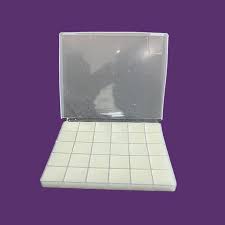
Ketamine Troches
Solid-state dissolving matrices represent the premium, clinical standard for at-home therapeutic research. They provide perfectly metered dosing down to the milligram. Furthermore, their steady dissolution rate ensures a clean, predictable, and stomach-safe experience by minimizing swallowed fluids. To explore how these advanced matrices are shifting modern protocols, read our operational review on Beyond the IV: The Rise of Ketamine Troches and ‘Precision Oral’ Dosing in 2026.
Ketamine Powder
Raw crystalline salts serve as the highly versatile laboratory standard for custom solution formulation and exact weight management. This raw format demands strict micro-scale weighing and precise administration metrics to prevent accidental over-saturation. To compare this raw format against specialized liquid options, review our comparative manual on Ketamine Hydrochloride Solution: The 2026 Guide to ‘Nasal vs. IM’ Bioavailability.
5. Downstream Safety & Somatic Harm Reduction
Maintaining absolute safety requires careful management of downstream somatic impacts during a session. Even when bypassing the liver, the active compound changes transient autonomic markers.
Specifically, the parent molecule stimulates the sympathetic nervous system. This stimulation causes transient spikes in both blood pressure and pulse rate during the active window. Therefore, researchers must establish a baseline using an automated cuff before administration. Furthermore, continuous tracking remains mandatory until the active window closes completely.
Additionally, researchers must prioritize intense hydration protocols to protect the renal and urinary systems. Because the kidneys filter all downstream metabolites, concentrated norketamine can irritate the delicate urothelium lining the bladder. Drinking plenty of water before and after the session dilutes these metabolites. Consequently, proper hydration speeds up renal clearance and eliminates the primary driver of bladder pain and accumulation.
6. Advanced Technical FAQ Section
Why do troches work better than swallowing ketamine powder?
Swallowing raw powder sends the compound straight through the stomach and liver, which destroys up to 83% of the parent molecule. Troches dissolve slowly inside the mouth. Consequently, they pass the compound directly into the bloodstream, bypassing liver degradation completely.
What is the exact bioavailability of a buccal troche?
A properly managed buccal troche yields an absolute bioavailability of roughly 25% to 30%. This rate is significantly higher than oral swallowing. Furthermore, it avoids the erratic absorption drops commonly caused by nasal congestion.
Does bypassing the liver reduce the risk of bladder pain?
Yes. Bypassing the liver reduces the immediate conversion of the parent compound into norketamine. Because norketamine is the primary metabolite responsible for bladder wall irritation, minimizing its formation reduces overall urothelial burden.
How long should a troche be held in the buccal cavity for maximum absorption?
For optimal results, hold the troche matrix against the inner cheek wall for 15 to 30 minutes without swallowing. This timeframe allows the hydrogel or lipid base to melt completely, ensuring maximum passive transport through the mucosa.
7. Conclusion
Solid-state buccal troches represent a massive step forward in optimizing at-home therapeutic research. By utilizing the highly permeable oral mucosa, these calibrated matrices deliver superior bioavailability while avoiding the harsh liver enzymes that cause rapid compound breakdown. This pathway ensures smooth plasma levels and protects the bladder from excess norketamine, making troches the preferred modern choice over raw, uncalibrated powders.
8. Portfolio Optimization: Securing Calibrated Delivery Standards
Achieving complete accuracy in your research requires moving away from uncalibrated street crystals. Coarse, unrefined powders frequently contain heavy adulterants and cause severe tissue damage, which disrupts your tracking data.
To eliminate baseline instability and secure pure, verified absorption profiles, transition your workflow to our fully calibrated options:
- Deploy Premium Dissolving Matrices: Utilize our factory-metered Ketamine Troches to access stable, slow-melting delivery options built for maximum first-pass avoidance.
- Integrate Versatile Pure Salts: Adopt our ultra-pure Ketamine Powder to manage precise micro-dose formulation under strict laboratory conditions.
🧬 Secure Your Calibrated Absorption Matrix
Eliminate the risks of heavy liver breakdown, severe bladder irritation, and erratic nasal absorption. Click the optimized product options above to equip your platform with the premier buccal absorption standards of 2026.