
LSD gel tabs act as an elite mucosal delivery standard. They utilize a soluble hydrogel matrix that dissolves directly in the sublingual or buccal cavity. Consequently, this format facilitates rapid, non-invasive systemic uptake. This method allows active lysergamides to pass directly through the highly vascularized oral mucosa into the superior vena cava. Therefore, the pathway completely bypasses first-pass hepatic metabolism. Furthermore, it avoids the tissue irritation associated with intranasal drug delivery. In 2026, this precise mucosal absorption pathway represents the gold standard for achieving rapid, pure 5-HT2A receptor saturation without gastric or respiratory degradation.
1. The Histology of Oral Mucosa vs. Intranasal Pathways
A deep comparative analysis of cellular tissue layers reveals why oral transmucosal administration outperforms the intranasal route. Specifically, the sublingual space underneath the tongue features a specialized, non-keratinized stratified squamous epithelium. This specific cellular barrier is thin, highly flexible, and uniquely optimized for passive transport. Additionally, a dense, highly permeable network of capillaries and deep veins sits directly beneath this epithelial layer.
Conversely, the nasal passages present significant physiological hurdles. The nasal cavity contains a delicate respiratory mucosa. This tissue is highly prone to barrier damage, inflammation, and structural scabbing. Furthermore, nasal absorption rates fluctuate wildly based on everyday factors like mucus congestion and seasonal allergies.
Most importantly, introducing liquids into the nasal cavity frequently causes severe local chemical burns. The non-keratinized sublingual mucosa handles these compounds without irritation. Therefore, it provides an expansive, uniform surface area. This layout allows active molecules to move steadily into the bloodstream at a predictable pace.
2. Hydrogel Kinetic Dissolution Mechanics
The structural science of the hydrogel matrix itself makes this controlled, non-invasive delivery possible. Unlike porous paper, a gel tab utilizes a solid-state hydrogel network. Manufacturers compose this network using highly purified gelatin or pectin. Consequently, the matrix suspends the active lysergamide molecules uniformly inside a three-dimensional molecular cage.
When the tab enters the sublingual space, it instantly interacts with saliva. Saliva contains water and salivary amylase. This fluid exposure causes the dense hydrogel to swell rapidly. As a result, the polymer network expands and creates a highly calculated, predictable diffusion gradient.
Therefore, the matrix does not fall apart all at once. Instead, it slowly bleeds out precise micro-milligram quantities of the active compound. These molecules land directly onto the wet mucosal membranes. This continuous wetting mechanism maintains a steady concentration gradient right against the epithelial wall. Consequently, the gradient drives the active molecules through the tissue layers via rapid passive diffusion.
3. Avoiding First-Pass Hepatic Elimination
To fully appreciate the efficiency of this pathway, researchers must contrast it directly with traditional oral swallowing. When a user swallows a substance, it enters the stomach cavity. Inside the stomach, the compound encounters harsh stomach acids and digestive enzymes. Subsequently, the remaining compounds travel through the intestinal walls straight to the liver via the portal vein.
This pathway triggers first-pass hepatic metabolism. The liver’s intense enzyme systems immediately alter and degrade a significant percentage of the active molecules. Consequently, this destructive filtering process severely reduces absolute bioavailability and delays the physical onset.
Transmucosal absorption completely avoids this hepatic filter. Because the sublingual and buccal veins drain directly into the superior vena cava, the absorbed molecules slip past the portal vein entirely.
As a result, they enter systemic blood circulation immediately. This direct pathway maximizes bioavailability and creates a razor-sharp, highly predictable peak plasma concentration (C_{max}). For a rigorous breakdown of these specific systemic transport mechanics, review the foundational data at Pharmacology Wiki: Mechanism and Bioavailability of Sublingual Systems.
4. Product Ecosystem Calibration
Calibrating your research parameters requires a clear understanding of how different solid-state and liquid delivery vehicles perform under clinical conditions.
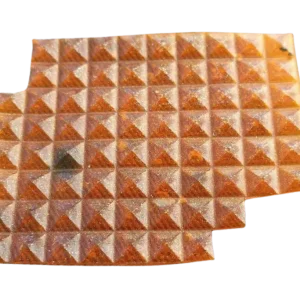
LSD Gel Tabs
Solid-state hydrogel formulations represent the absolute pinnacle of stable, precise, and fast-acting mucosal engineering. Specifically, the dense polymer matrix provides a protective vacuum barrier. This barrier shields the delicate active molecules from light, moisture, and air damage. When introduced into the oral cavity, their rapid swelling kinetics ensure an incredibly fast, clean, and highly efficient systemic transfer. For exact timelines regarding onset and peak plateaus, read our detailed analysis on How Long Do LSD Gel Tabs Take to Kick In? Onset Time, Come-Up, and Peak Explained.
LSD Blotters
Traditional blotter sheets utilize a classic absorbent cellulose matrix to carry active liquids. While this format delivers identical compounds, it lacks the advanced protective outer shell and rapid swelling mechanics of a true hydrogel. Specifically, paper fibers hold onto molecules mechanically rather than releasing them via a managed diffusion gradient. Consequently, this retention results in a slightly slower transfer rate. To understand these stability and potency differences over long periods, consult our comparative manual on LSD Gel Tabs vs Blotters: Which is Stronger, More Potent, and Lasts Longer in Storage?.
Liquid LSD
Volumetric liquid solutions serve as the raw fluid standard for precise laboratory micromanagement and custom dilution tracking. While liquid allows for infinite dosing adjustments, it lacks the rugged, solid-state portability of a pre-calibrated tab. Additionally, open liquid solutions remain highly vulnerable to rapid evaporation and environmental degradation. Therefore, researchers must store them under perfect climate conditions.
5. Receptor Affinity & Downstream Neuro-Signaling
Once the active molecules cross the oral mucosa, they cross the blood-brain barrier with remarkable speed. Consequently, they initiate direct serotonergic agonism. The molecule exhibits a profound binding affinity across a specific array of neural targets. Specifically, it acts as a potent agonist at the 5-HT2A, 5-HT1A, and dopamine D2 receptor sites.
The instant saturation of 5-HT2A receptors triggers an intense electrical cascade within the prefrontal cortex. Specifically, it initiates rapid, widespread excitation across cortical layer V pyramidal neurons. This intense cellular excitation alters normal sensory filtering networks. Therefore, it promotes massive global functional connectivity and initiates rapid neuroplastic signaling pathways.
Because this direct delivery bypasses gastric delays, managing external parameters is critical to ensuring research safety:
- Strict Environment Management: Eliminating chaotic external stimuli remains mandatory. Specifically, the rapid onset requires a highly predictable, calm, and secure physical space to prevent sensory overload.
- Reagent Identification Confirmation: Advanced synthetics look identical to standard formulations. Therefore, researchers must utilize multi-step Ehrlich and Hofmann reagent tests to verify molecular identity before every session.
- Threshold Tracking: The hydrogel format provides high bioavailability. Consequently, researchers must strictly calculate micro and macro thresholds down to the microgram to maintain absolute control over the session’s velocity.
For additional clinical data regarding these localized transmucosal delivery mechanisms, explore the latest research index at PubMed: Clinical Trials on Transmucosal and Sublingual Drug Delivery Systems.
6. Advanced Technical FAQ Section
Why is sublingual absorption faster than swallowing a tab?
Swallowing forces a compound to travel through the stomach and processing liver networks. Consequently, this routing delays onset by 45 to 90 minutes. Sublingual administration passes the molecules directly through the thin oral tissue layers into the bloodstream. Therefore, it initiates systemic effects much faster.
Can gel tabs be used buccally against the cheek?
Yes. The buccal mucosa inside the cheek wall features a highly vascularized stratified squamous epithelium. This structure mirrors the sublingual space perfectly. Holding the hydrogel matrix against the inner cheek delivers the exact same first-pass bypassing advantages.
Does a hydrogel matrix protect active molecules from saliva enzymes?
Yes. The dense polymer structure of a hydrogel tab keeps the active compounds safely locked inside its walls. Specifically, it only releases them along a steady diffusion gradient as the outer layers hydrate. This mechanism prevents salivary enzymes from breaking down the payload prematurely.
How does mucosal delivery bypass liver breakdown?
The veins lining the human mouth drain directly into the superior vena cava. This vessel leads straight to the heart and general circulation. Consequently, this layout bypasses the hepatic portal vein entirely, preventing the liver from filtering or degrading the active compounds prematurely.
7. Conclusion
Solid-state hydrogel matrices represent a monumental leap forward in optimizing the delivery of delicate lysergamides. By taking full advantage of the non-keratinized sublingual mucosa, these advanced vehicles provide a clean, fast-acting route. This pathway completely bypasses liver metabolism without the risks of nasal tissue damage. Relying on precise matrix swelling kinetics ensures exceptional bioavailability, a sharp, predictable onset, and maximum structural protection. Therefore, hydrogels represent the definitive modern standard for professional research applications.
8. Portfolio Optimization: Securing Standard Transmucosal Assets
Achieving complete mathematical accuracy in your research requires moving away from uncalibrated, exposed paper blotters. Cheap, poorly stored paper formats suffer from uneven compound distribution and rapid environmental breakdown. Consequently, these factors introduce unwanted variables into your data.
To eliminate baseline instability and secure pure, verified absorption profiles, transition your inventory to our fully integrated hydrogel delivery systems:
- Deploy Elite Solid-State Hydrogels: Utilize our premium LSD Gel Tabs to access vacuum-sealed, perfectly uniform matrices built for instant sublingual activation and complete first-pass avoidance.
- Analyze the Classical Cellulose Baseline: Monitor standard structural baselines using our traditional LSD Blotters to run accurate stability, degradation, and absorption velocity comparisons.
- Access Pure Volumetric Liquid Inflow: Utilize our ultra-pure Liquid LSD concentrates to manage custom micro-dose tracking while utilizing professional fluid-handling parameters.
🧬 Secure Your Advanced Transmucosal Matrix
Eliminate the risks of hepatic filtering, stomach acid breakdown, and environmental degradation. Click the optimized product options above to equip your platform with the premier mucosal absorption standards of 2026.