
Liquid LSD volumetric microdosing utilizes precise fluid dynamics to achieve sub-perceptual dosing thresholds. Generally, these thresholds are calibrated between 5 micrograms and 12 micrograms. By dissolving a known mass of active lysergamide into a standardized volume of a high-purity solvent matrix—such as a 1:1 ratio of distilled water to ethanol—researchers can completely bypass the inaccurate physical fragmentation of blotter paper. In 2026, this mathematical micro-calibration stands as the definitive protocol for consistently inducing low-level, sub-threshold 5-HT2A receptor stimulation. Consequently, this method promotes sustained brain-derived neurotrophic factor (BDNF) expression and structural neuroplasticity without crossing the threshold into sensory distortion.
To explore a wider ecosystem of advanced analytical tools and premium compound vectors beyond lysergamides, researchers can access the complete digital distribution catalog at Psychedelic Sphere. This premier global platform delivers unmatched purity across all research categories.
1. The Quantitative Math of Volumetric Fluid Dynamics
Achieving absolute dosing accuracy requires a strict reliance on the foundational principles of analytical chemistry. When preparing sub-perceptual research solutions, tearing or cutting solid mediums introduces massive standard deviation errors. Instead, fluid dynamics allow for perfect molecular homogeneity.
The precise algebraic equation for concentration calibration guides this entire liquid preparation process: Concentration (C) = Mass (M) / Volume (V).
To implement this formula within a laboratory setting, researchers must execute a clear, step-by-step mathematical blueprint. For example, suspending a 100-microgram crystalline matrix into exactly 10 milliliters of liquid yields a perfectly linear ratio of 10 micrograms of active compound per 1 milliliter of fluid. If a researcher requires a precise 5-microgram microdose, they simply draw exactly 0.5 milliliters of the solution using a calibrated syringe. Clearly, this fluid architecture completely eliminates the dangerous variance associated with mechanical division.
Furthermore, the choice of solvent is critical for maintaining molecular stability. Common tap water containing chlorine must be strictly avoided. These halogen compounds cause immediate catalytic destruction of the delicate ergoline molecule. Specifically, they attack the vulnerable double bonds in its tetracyclic core. Therefore, researchers must mandate the use of high-purity distilled water. Additionally, this liquid must be combined with an ethanol or propylene glycol stabilization buffer. The alcohol serves a dual purpose. First, it keeps the lysergamide dissolved uniformly. Second, it prevents any microbial or bacterial growth over long storage periods. For a deeper breakdown of fluid preparation tools, consult the instructions at Analytical Chemistry Wiki: Principles of Volumetric Solutions and Liquid Homogeneity.
2. The Neurobiology of Sub-Perceptual Plasticity
A deep dive into cellular neuroscience reveals how a sub-threshold microdose interacts with cortical layer V pyramidal neurons. During a high-dose session, lysergamides cause massive, highly synchronized desynchronization across the default mode network. This massive shift produces intense hallucinations. Conversely, micro-dosing completely avoids this widespread network disruption. Instead, the low-level introduction initiates a subtle upstream signaling cascade.
When the compound selectively binds as a partial agonist to the 5-HT2A receptors on pyramidal neurons, it triggers a specialized intracellular response. This low-level activation stimulates the intracellular release of glutamate. Consequently, this increase in glutamate levels enhances AMPA receptor trafficking. This localized excitation triggers the rapid upregulation of Brain-Derived Neurotrophic Factor (BDNF).
The sudden abundance of BDNF leads directly to the activation of TrkB receptors inside the prefrontal cortex. Subsequently, this specific pathway stimulates localized dendritic spine growth. It also promotes synaptic remodeling and enhances overall prefrontal connectivity. Therefore, rather than distorting sensory reality, the sub-perceptual saturation optimizes the brain’s structural architecture. As a result, it quietly upgrades working memory, structural flexibility, and cognitive stamina.
3. Cognitive Calibration Protocols (The Temporal Calendars)
To maintain optimal baseline performance, researchers must implement structured administration timing. This intentional spacing prevents rapid receptor down-regulation, which would otherwise build a steep chemical tolerance.
The Fadiman Protocol
The Fadiman Protocol utilizes a strict 3-day cyclic rhythm to track baseline variations. On Day 1, the researcher ingests the calibrated sub-perceptual liquid dose. Next, on Day 2, the subject experiences a residual neuroplastic effect. This happens because the downstream dendritic changes remain highly active even after the compound leaves the bloodstream. Finally, on Day 3, the brain undergoes a complete baseline reset. This crucial rest period allows the central 5-HT2A receptor population to fully resensitize. Thus, it ensures that the next dose achieves identical potency without requiring an increase in mass.
The Stamets System
Alternatively, the Stamets System offers a structural strategy focused on sustained stacking. This protocol mandates an active schedule of 4 consecutive days of micro-dosing followed by 3 consecutive days of complete rest. The neurochemical justification for these regular operational breaks is to protect long-term baseline stability. By capping active saturation at four days, the brain experiences a concentrated burst of BDNF production. Then, the scheduled rest period prevents permanent receptor internalization or psychological exhaustion.
4. Product Vector Comparison Analysis
Selecting the proper delivery medium determines the absolute precision of your tracking data. Moreover, it protects your research from erratic dosing spikes.
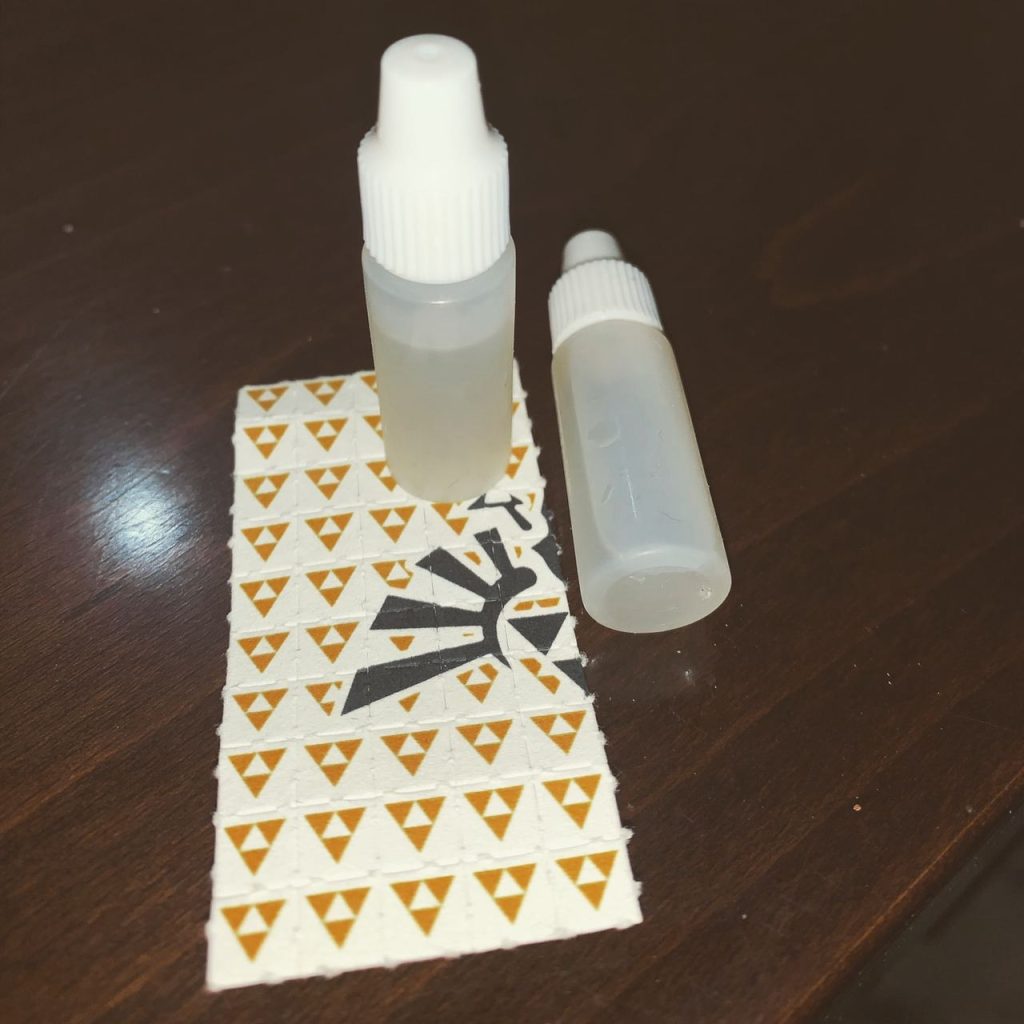
- Liquid LSD Solutions Pure fluid suspensions represent the undisputed golden standard for quantitative precision. This format offers absolute molecular homogeneity across every single calibrated milliliter. Consequently, it allows researchers to scale dosages up or down by single micrograms. To master the exact mechanics of fluid distribution, consult our foundational comparison guide on Liquid LSD vs. Blotter: The 2026 Volumetric Dosing Revolution.
- LSD Blotters Traditional paper formats remain highly valuable for macro-scale research, but they are structurally irregular for micro-scale slicing. Because the liquid solution settles unevenly across the absorbent cellulose paper fibers during manufacturing, cutting a paper square into tiny fractions introduces volatile dosage errors. To review how open paper fibers interact with environmental factors, read our thermodynamic study on LSD Blotters and the Ergoline Matrix: The Thermodynamics of Paper Lifespans.
- LSD Gel Tabs Meanwhile, solid-state hydrogels excel at preserving active ingredients over long periods. They successfully lock the compound inside an airtight gelatin grid. However, if a researcher intends to use them for precise sub-threshold micro-dosing, they must perform a complete volumetric dissolution step first. This step liquefies the solid matrix into a measurable fluid state.
5. Advanced Integration & Somatic Harm Reduction
Maintaining a professional scientific approach requires monitoring core somatic safety indicators alongside cognitive data. Sub-perceptual tracking must never cross into physical over-stimulation.
For this reason, researchers must establish a daily tracking protocol to record focus scores, emotional baselines, and general task endurance. Simultaneously, tracking physical metrics is mandatory. Because lysergamides gently stimulate central sympathetic pathways, they can cause minor elevations in heart rate or blood pressure. Monitoring these parameters with a digital blood pressure cuff ensures the cardiovascular system remains within safe baseline boundaries.
Finally, researchers must closely track baseline sleep architecture. If sub-perceptual solutions are administered too late in the day, residual dopamine and serotonin interactions can disrupt deep REM cycles. Ensuring early-morning ingestion guarantees that the active molecules clear central pathways before the onset of sleep. Therefore, this timing prevents unwanted nervous system over-stimulation. For a complete index of peer-reviewed data on BDNF upregulation, check the listings at PubMed: Studies on Neuroplasticity, BDNF Expression, and Low-Dose Serotonergic Agonists.
6. Advanced Technical FAQ Section
What is the exact formula for liquid volumetric dosing?
The formula is Concentration equals Mass divided by Volume. This translates directly to the mathematical ratio of compound weight divided by fluid volume. By dissolving a known mass of an isolate into a measured volume of liquid, you establish a perfectly linear microgram-to-milliliter ratio that guarantees consistent tracking.
Why does chlorine instantly destroy liquid LSD?
Chlorine is a highly reactive halogen. When introduced to a liquid solution, it immediately attacks the fragile double bonds within the ergoline ring structure. Consequently, this interaction tears the molecule apart and renders it completely inactive.
How does sub-threshold dosing stimulate BDNF production?
Low-dose partial agonism at the 5-HT2A receptor triggers a mild, controlled release of glutamate. This localized excitation stimulates AMPA receptors. Subsequently, it activates an intracellular signaling pathway that forces the brain to upregulate Brain-Derived Neurotrophic Factor.
What is the best solvent ratio to prevent bacterial contamination in liquid storage?
The ideal laboratory standard is a 1:1 ratio of distilled water to high-purity ethanol. The distilled water provides a clean, ion-free solvent environment. Meanwhile, the ethanol acts as a permanent preservation buffer that completely prevents microbial or bacterial growth.
7. Conclusion
In conclusion, transitioning to liquid volumetric micro-dosing represents a major leap forward in quantitative cognitive calibration. By replacing uneven paper cutting with precise fluid dynamic equations, researchers secure total control over their testing parameters. This micro-calibration ensures a gentle, sustained saturation of central 5-HT2A targets. Thus, it opens up downstream BDNF signaling cascades and structural neuroplasticity while preserving complete mental clarity and baseline stability.
8. Portfolio Optimization: Securing Calibrated Liquid Assets
Achieving complete mathematical accuracy requires moving away from unstandardized dosing methods. Fragmenting solid sheets or relying on unverified sources introduces massive microgram variations. Ultimately, this decay completely ruins your cognitive data collection.
To eliminate baseline tracking errors and secure pristine neuroplastic profiles, transition your research assets through our fully calibrated supply channels:
- Deploy Elite Fluid Formulations: First, utilize our ultra-precise Liquid LSD Solutions to access perfectly homogeneous compound vectors designed for micrometer dosing accuracy.
- Analyze Core Comparative Standards: Second, review our traditional LSD Blotters or alternative hydrogel mediums under controlled laboratory environments to balance your long-term research inventory.
🧬 Secure Your Calibrated Neuroplastic Matrix
Eliminate the risks of inaccurate paper fragmentation, rapid receptor downregulation, and erratic solvent contamination. Beyond our elite liquid solutions, our ecosystem provides direct access to the world’s most sought-after research standards. Explore the premier collection of advanced compound matrices at Psychedelic Sphere to equip your platform with the ultimate research standards of 2026.