
When exploring healing somatic trauma with psilocybin, modern neuroscience highlights how traumatic memories remain trapped in the physical body. Trauma is not merely an intellectual memory stored in the mind. Instead, it manifests as a chronic, involuntary freeze response within the autonomic nervous system. Consequently, psilocybin offers a unique biological catalyst to help complete these frozen defense responses.
Indeed, standard talk therapy often struggles to reach implicit body memories. Although processing narrative thoughts is helpful, cognitive approaches frequently fail to resolve deep-seated physical tension.
Therefore, this guide examines how psilocybin interacts with somatic processing, resets polyvagal nervous system loops, and creates space for long-term neuro-rewiring.
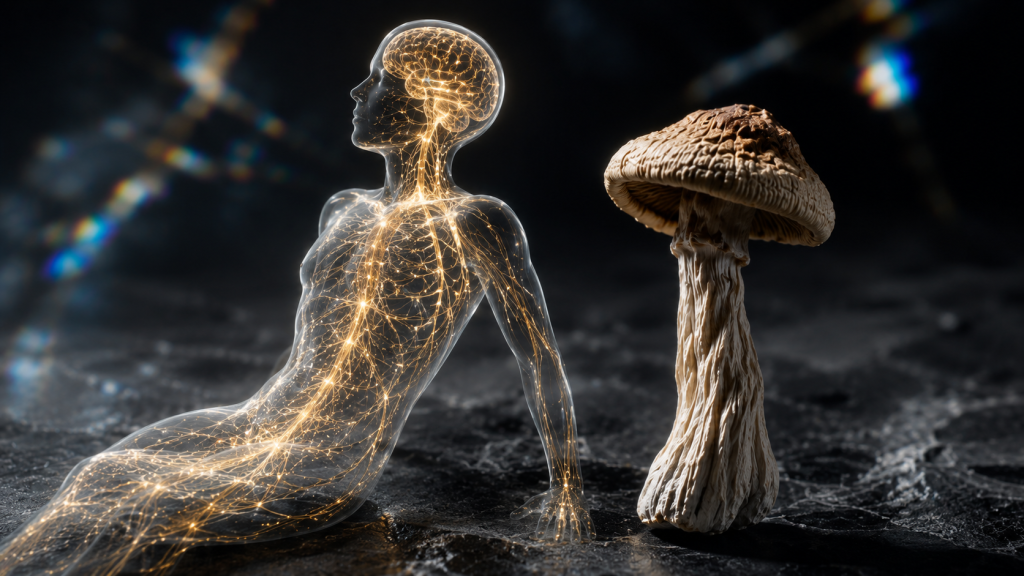
Understanding the Polyvagal Freeze Response
To understand how psychedelics heal somatic trauma, we must first examine how the body stores unprocessed threat signals.
1. The Fight, Flight, or Freeze Loop
When an individual encounters an overwhelming threat, the sympathetic nervous system triggers a fight-or-flight response. However, if escape or defense is impossible, the primitive dorsal vagal system takes over.
Consequently, the body enters a state of somatic freeze. The heart rate slows, muscle tension locks up, and the mind dissociates. In addition, if this freeze state never completes its natural neurobiological cycle, the individual remains perpetually hyper-vigilant or chronically numb.
2. Why the Mind Gets Trapped in the Body
Traditional therapies often address the top-down cognitive narrative. However, somatic trauma lives in bottom-up subconscious pathways. The body continues to signal danger long after the initial event has passed.
Furthermore, this persistent bodily threat response drains vital energy. Over time, it can contribute to chronic illness, anxiety, and depression. Research tracked by the National Center for PTSD demonstrates how psychedelic therapies help quiet amygdala reactivity, allowing the nervous system to re-process these trapped physical states. To explore how psilocybin alters these underlying neural loops, read Psilocybin for Depression: Latest 2026 Research, FDA Status, and the Science of Neuro-Rewiring.
How Psilocybin Unfreezes the Somatic Body
Psilocybin acts as a powerful neurobiological bridge. It connects top-down cognitive awareness with bottom-up physical sensation.
Down-Regulating the Default Mode Network
Under normal conditions, the Default Mode Network (DMN) maintains rigid ego defense mechanisms. It keeps uncomfortable somatic sensations suppressed.
However, clinical research from the Johns Hopkins Center for Psychedelic and Consciousness Research shows that psilocybin temporarily suppresses DMN activity. As a result, the brain enters a hyper-connected state. This allows suppressed bodily sensations to surface safely without trigger-induced panic. For a deeper breakdown of these mechanisms, review Psychedelics and Neuroplasticity.
Releasing Stored Somatic Armor
During a therapeutic psilocybin session, patients frequently report spontaneous bodily shaking, heavy crying, heat discharges, or deep muscle releases. In somatic psychology, these physical reactions represent the nervous system discharging long-trapped survival energy.
For individuals seeking precise intake, many start with measured options like Magic Mushroom Capsules or Golden Teacher Mushrooms. Alternatively, others prefer structured edibles such as Magic Mushroom Chocolate Bars or Gourmet Mushroom Edibles to maintain a controlled, gentle onset.
Protocol for Somatic Integration with Psilocybin
Unfreezing the nervous system requires structured support. Random administration without an intentional framework can lead to overwhelming re-traumatization.
Phase 1: Mindful Somatic Preparation
Before entering a psychedelic session, individuals must establish somatic grounding tools. Breathing exercises and gentle movement help build autonomic resilience.
Therefore, setting a safe physical environment is essential. Before beginning, always study The Pre-Journey Protocol: The Complete Guide to Safe, Intentional Psychedelic Preparation and review What to Expect During Your First Trip.
Phase 2: Navigating the Somatic Wave
During the journey, the primary goal is non-resistance. If physical tension arises, the individual is encouraged to breathe directly into the sensation rather than pulling away mentally.
If anxiety or intense emotional distress surfaces, clinical harm-reduction literature curated by the Multidisciplinary Association for Psychedelic Studies (MAPS) highlights the importance of trained facilitator guidance. Refer to our core safety frameworks in What Is a Psychedelic Bad Trip and The Definitive Guide to Psychedelic Harm Reduction: Science, Safety, and Long-Term Integration.
Phase 3: Post-Journey Somatic Integration
The days following a psilocybin session represent a critical window of physiological plasticity. During this timeframe, new nervous system pathways are established.
Practices like bodywork, breathwork, and gentle yoga help solidify somatic shifts. To maximize this post-trip integration window, explore The 21-Day Critical Period: A Science-Backed Timeline for Permanent Neuro-Rewiring.
Somatic Dosing: Microdosing vs. Macro-Journeys
Choosing the right approach depends on the individual’s current level of autonomic stability.
The Gentle Approach: Microdosing
For highly sensitive or severely dysregulated nervous systems, full flood doses can feel overwhelming. Consequently, sub-perceptual microdosing offers a subtle way to widen the window of tolerance gradually.
Many individuals utilize microdosing to cultivate daily somatic awareness. For detailed protocols, consult Is Microdosing DMT Possible? Here’s What the Science Says and explore our catalog of Psilocybin Chocolate Bars for Beginners.
The Breakthrough Approach: Full Journey
Conversely, experienced individuals working with a qualified therapist may select a full breakthrough dose to dissolve rigid defenses completely.
When comparing classical tryptamines to other modalities, review Comparing Classic Psychedelics and Which is Safer: LSD or Psilocybin for First-Time Users?. In addition, ensure proper spacing between sessions by checking the Optimal Time Between Psychedelic Trips.
Frequently Asked Questions
Why do people shake or tremble during a psilocybin trip?
Spontaneous trembling or shaking is a natural autonomic discharge. Known in somatic therapy as neurogenic tremors, this physical response allows the nervous system to release stored adrenaline and complete a frozen fight-or-flight response.
Can psilocybin re-traumatize someone with severe PTSD?
Yes, if conducted without adequate preparation, boundary safety, or proper integration support, surfacing intense somatic memories can trigger re-traumatization. Therefore, working with experienced facilitators and reviewing Are Psychedelics Safe for Everyone? is critical.
How does somatic release differ from cognitive insight?
Cognitive insight is understanding why a trauma occurred. In contrast, somatic release is feeling the physical discharge of that trauma leaving the body. True healing typically requires both cognitive understanding and physical release.
Is psilocybin better than LSD for somatic trauma work?
Many practitioners consider psilocybin more “body-centric” due to its pronounced physical sensation and grounding nature. However, LSD can also facilitate deep emotional releases. To compare their unique characteristics, read what are the big 3 psychedelics.
Conclusion: Reclaiming Autonomic Freedom
Ultimately, healing somatic trauma with psilocybin represents a profound shift from managing symptoms to resolving root causes. By allowing the body to complete its natural survival responses, psilocybin helps unfreeze locked nervous system patterns.
Respecting this deep bodily wisdom requires proper safety measures, intentional preparation, and patient integration.
Ready to explore standardized formulations and educational resources for your healing journey? Visit PsychedelicSphere today to discover our complete collection of Magic Mushroom Capsules, Penis Envy Mushrooms, and comprehensive harm-reduction guides designed to support your somatic health safely and effectively.