
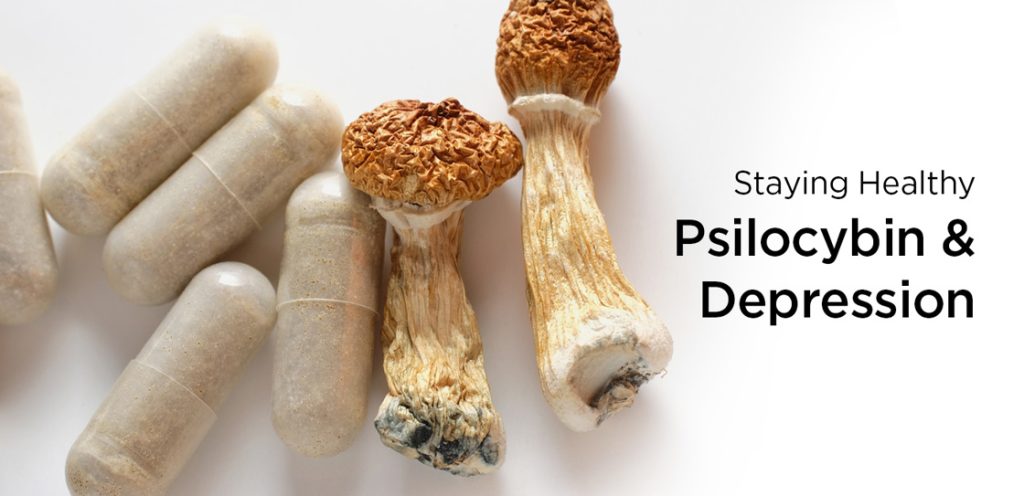
The Direct Answer: A Neuro-Reset for the Modern Age
Does psilocybin for depression act as a cure? In clinical terms, it is defined as a rapid-acting neuro-biological reset that promotes massive synaptogenesis—the growth of new brain connections—within hours. Rather than “patching” symptoms like traditional daily medication, it facilitates a high-entropy state that allows the brain to escape the rigid, pathological “ruts” of depressive thinking. As of March 2026, Phase 3 clinical data has officially moved toward a Rolling FDA Submission, placing this treatment at the forefront of the largest shift in psychiatry since the 1980s.
The 2026 Breakthrough: The “Inside-Out” Intracellular Model
The most significant discovery in the January 2026 NIDA Report involves how psilocybin interacts with the 5-HT2A receptor. For decades, it was believed that antidepressants needed to stay on the surface of the neuron. We now know this is incorrect.
Psilocybin is unique because it is “lipophilic” enough to cross the cellular membrane. Once inside, it binds to intracellular 5-HT2A receptors. This triggers the immediate release of Brain-Derived Neurotrophic Factor (BDNF)—the brain’s own “growth formula”—directly from the nucleus. This is why a single session can do what 1,000 SSRI pills cannot: it physically repairs the “wiring” of the prefrontal cortex from the inside out.
Clinical Trial Update (March 2026): The Phase 3 Milestone
Recent 2026 data confirmed that a 25mg dose of psilocybin is the “gold standard” for Treatment-Resistant Depression (TRD).
- Unprecedented Remission: 37.4% of participants achieved sustained remission through the 12-week mark after just one dose.
- Safety Breakthrough: Most importantly, the data showed no “clinically meaningful imbalance” in suicidality, addressing a long-standing hurdle for FDA approval.
- The Rolling Submission: Because of these safety markers, the FDA has moved to a “Rolling Review,” allowing the agency to approve psilocybin for depression on a shortened timeline.
The 3-Pillar Mechanism: How Your Brain Rewires
1. Structural Neuroplasticity
Depression causes the “dendritic spines” (the communication arms of neurons) to shrivel. Psilocybin regrows these arms within 24 hours. To achieve these clinical results, discerning users often turn to our elite pharmaceutical-grade Psilocybe Mexicana Mushroom for its legendary stability, or our world-class ultra-potent Psilocybe Semilanceata Mushroom to facilitate profound structural repair during the neuroplastic window. For those seeking standardized micro-dosing to support this growth, our premium Psilocybin Mushroom Capsules offer the exact precision required for long-term neural maintenance.
2. DMN Reset (Breaking the Rumination Loops)
The Default Mode Network (DMN) is where your “ego” lives. In depression, the DMN becomes a closed loop of negative thoughts. Psilocybin temporarily “disconnects” the DMN, allowing the brain to communicate in ways it hasn’t since childhood. This process of breaking rigid cognitive patterns is the same biological foundation used in our advanced OCD treatment framework.
3. Anti-Inflammatory Signaling
Chronic depression is often a “brain on fire.” Psilocybin binds to receptors that down-regulate inflammation in the hippocampus, clearing the “fog” that makes traditional therapy feel impossible. This biological alignment is a core standard of the expertise found at the Official Shop for Pharmaceutical-Grade Psychedelics.
The 2026 Clinical-Style Protocol
Phase I: Screening and Preparation
You must screen for contraindications, specifically Bipolar I and Schizophrenia history. Additionally, if you are on an SSRI, you may need a medically supervised taper, as traditional meds can “block” the neuroplastic window opened by psilocybin for depression.
Phase II: The Experience Phase (Facilitated Support)
The dose is administered in a controlled environment. For a precise, beginner-friendly entry into this space, Johns Hopkins researchers prioritize standardized extracts. To ensure a palatable and accurately measured experience, many utilize our artisanal Psilocybin Mushroom Chocolate Bar, which allows for perfect incremental dosing.
Phase III: The 21-Day Integration Window
The 24 hours to 21 days post-dose is the “Hyper-Plastic Window.” This is when your brain is literally “wet cement.” If you don’t change your habits here, the old depressive wiring will return. It is essential to follow a structured 21-day psychedelic integration protocol to ensure your new neural pathways become permanent.
Real-World Timeline: SSRIs vs. Psilocybin
In the traditional model, SSRIs typically require 6 to 8 weeks to reach therapeutic levels, primarily focusing on chemical management through synaptic serotonin increases. This often involves a daily pill burden and various side effects.
In contrast, the 2026 Psilocybin Model shows an onset of action within 6 to 24 hours. Instead of managing symptoms, the goal is structural rewiring through massive, direct BDNF release. This allows for a “Sustained Reset” after only 1 or 2 sessions rather than indefinite daily dosing.
FAQs
Is it FDA approved yet?
As of March 2026, psilocybin for depression is under Rolling FDA Submission. Full commercial approval for TRD is expected by late 2026.
Will I stay off my meds?
The goal is “Medication Liberation.” However, psilocybin works best as a reset that allows therapy to finally work, rather than a permanent replacement for all mental health support.
What is the success rate?
In TRD populations (who have failed 2+ other treatments), the success rate is near 40%, nearly double that of traditional antidepressants.
Can it cause psychosis?
Only in those with a genetic predisposition. Clinical screening is the “safety lock” that prevents this.
What is a “Rolling Submission”?
It means the FDA is reviewing data as it comes in from the lab, rather than waiting for the end of the year, due to the urgent need for new depression treatments.
Conclusion: A Paradigm Shift in Depressive Care
The clinical evidence available in March 2026 makes one thing clear: the medical community is moving away from the “chemical imbalance” theory and toward a model of circuit-level neuro-rewiring. By utilizing psilocybin for depression to target intracellular receptors, we are finally able to trigger the structural changes necessary for long-term remission.
As we await the final results of the FDA’s rolling submission, the focus must remain on the quality of the compounds used and the rigor of the integration process. Successful recovery is not found in the “trip” alone, but in how we support the brain during its most plastic state. For those demanding the absolute peak of safety and efficacy, you can find our full suite of precision-grade tools at the Official Shop for Pharmaceutical-Grade Psychedelics.
Medical Disclaimer: This post represents the latest 2026 clinical data regarding psilocybin for depression and is for educational purposes only. Do not stop any prescribed medication without the direct supervision of your doctor.