
Sublingual lysergamide administration utilizes the highly vascularized, non-keratinized stratified squamous epithelium of the floor of the mouth to absorb active molecules directly into the systemic bloodstream. When a gelatin or polymer-based hydrogel tab dissolves under the tongue at 37°C, the active compound diffuses rapidly through the mucosal membrane into the deep lingual vein, bypassing the harsh acidic environment of the stomach and the delayed enzymatic degradation of first-pass hepatic metabolism. In 2026, this targeted sublingual delivery remains the definitive standard for achieving a rapid onset of effects (T_{max}), flawless dose bioavailability, and immediate 5-HT2A receptor saturation without gastrointestinal interference.
To discover a broader landscape of standardized, laboratory-grade research platforms and premium analytical compound vectors, researchers can explore the full global catalog at Psychedelic Sphere. This elite digital hub sets the international standard for molecular purity.
1. The Materials Science of the Hydrogel Matrix
An advanced structural breakdown of the gel tab delivery vehicle reveals a highly engineered, solid-state polymer network designed specifically for molecular preservation. Structurally, these matrices rely on a dense web of long-chain polymers, such as pharmaceutical-grade gelatin, agar, or pectin. During the specialized manufacturing process, these polymer strands undergo rigorous thermal cross-linking. As the solution cools, it locks into a tight, three-dimensional grid that securely traps the delicate ergoline molecules within its uniform structural cavities.
This rigid polymer grid shields the embedded active molecules from immediate environmental degradation. Common external hazards, including atmospheric oxygen and ambient moisture, cannot easily penetrate the dense cross-linked surface. Consequently, this protective barrier keeps the internal lysergamide matrix structurally secure and chemically stable for long-term storage.
The precise physics of sublingual dissolution begins the moment the hydrogel matrix contacts the oral cavity. As the tab rests beneath the tongue, it experiences a rapid thermal shift to the human body temperature baseline of 37°C. Simultaneously, the abundance of water in human saliva begins to hydrate the outer layers of the tab. This dual action causes the cross-linked polymer strands to swell and untangle, which slowly converts the solid grid into a localized fluid hydrogel. As the matrix melts, it releases a steady, highly concentrated cascade of the trapped lysergamide directly against the highly permeable mucosal floor. To explore the deep biochemical properties of these advanced oral delivery systems, consult the reference material at PubMed: Permeability of the Oral Mucosa and Sublingual Drug Delivery Systems.
2. The Pharmacokinetics of Sublingual vs. Enteric Absorption
Analyzing the physiological journey of the molecule reveals a massive difference in metabolic efficiency between sublingual pathways and enteric absorption. The sublingual mucosa offers an exceptionally direct route into systemic circulation. Because the non-keratinized epithelial layer is thin and packed with an intricate web of capillaries, dissolved molecules diffuse across the cell membrane with minimal resistance.
Once the lysergamide crosses this initial tissue barrier, it enters the deep lingual and sublingual veins immediately. From there, the compound travels straight into the internal jugular vein, flows directly into the superior vena cava, and enters the right atrium of the heart. This direct vascular highway bypasses the entire digestive tract completely. Consequently, the pristine molecules pump directly out to the carotid arteries, moving straight to the cerebral circulation where they cross the blood-brain barrier to initiate clinical effects.
Conversely, standard oral ingestion forces the delicate ergoline ring system to endure a highly destructive digestive path. When a user swallows a compound, the molecule plunges into the stomach, where it meets a highly destructive environment of hydrochloric acid and proteolytic enzymes. This harsh environment breaks down a portion of the active dose before it can even reach the small intestine for absorption. Furthermore, any remaining compound that survives the stomach must pass directly through the portal vein into the liver. This exposure triggers heavy first-pass hepatic filtering, where active enzymes degrade the molecule further. Therefore, oral ingestion inevitably yields a heavily delayed, unpredictable onset and a severely blunted peak plasma concentration (C_{max}). For a comprehensive breakdown of these systemic venous drainage pathways, consult the resources at Pharmacology Wiki: Systemic Venous Drainage of Sublingual Pathways.
3. Receptor Saturation and the Acceleration of Onset
Diving into the neurobiology of the peak reveals how bypassing the digestive system compresses the timeline from ingestion to active cortical alteration. Because the sublingual path delivers a concentrated, un-degraded wave of molecules directly into cerebral circulation, the compound arrives at the central nervous system with incredible speed.
This sudden, dense wave of molecules targets cortical layer V pyramidal neurons with high efficiency. These specific cells house the highest concentrations of 5-HT2A receptors, which serve as the primary target for lysergamide compounds. When a slow enteric dose trickles in over hours, the receptors activate unevenly, which often triggers a protracted, anxiety-inducing “come-up” phase characterized by physical restlessness and mental tension.
In contrast, the rapid influx from a sublingual hydrogel matrix causes swift, highly synchronized receptor saturation. The high concentration of incoming molecules rapidly binds to the 5-HT2A sites, triggering an immediate intracellular cascade that increases glutamate release and enhances neuroplastic signaling. This synchronized activation bypasses the uneven transition period completely. As a result, the subject experiences a cleaner, faster transition into the therapeutic or exploratory state, allowing for a stabilized mental environment from the very start of the session.
4. Product Profile Optimization
Achieving maximum precision in clinical monitoring requires moving away from unstandardized delivery methods toward highly calibrated, protective vehicles.
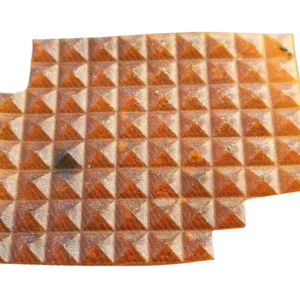
LSD Gel Tabs
Solid hydrogels represent the undisputed pinnacle of clinical delivery technology for lysergamides. Because the compound is mixed uniformly throughout the liquid polymer before it cools and hardens, every single tab contains an identical microgram count, ensuring perfect dosing homogenization. Furthermore, the solid gelatin matrix provides absolute molecular protection against oxygen and moisture damage. To review how to safely handle and navigate the fast-acting nature of these solid hydrogels, explore our operational blueprint on LSD Gel Tabs Safety Guide: Risks, Harm Reduction, and Responsible Use Tips.
LSD Blotters
Traditional absorbent paper formats remain highly popular, but they introduce natural structural irregularities. Liquid solutions can settle unevenly across cellulose paper fibers during production, which occasionally causes minor dosage variations between adjacent squares. Additionally, exposed paper sheets offer minimal protection against environmental factors like ambient air and heat, meaning they require strict storage parameters to prevent slow potency decay over time. To learn how to find your ideal calibration standard across these different formats, read our manual on LSD Gel Tabs Dosage Guide: How Much to Take for Beginners, Microdosing, and Full Experiences.
Liquid LSD
Pure liquid formulations offer excellent custom scaling for laboratory research, but they carry distinct operational vulnerabilities. Liquid dilutions are highly exposed to light degradation, evaporation, and accidental spill hazards during handling. Additionally, storing liquid assets requires specialized containers to prevent bacterial growth or solvent breakdown over long periods. To understand the exact environmental controls needed to preserve your active inventory, read our thermodynamic study on How to Store LSD Gel Tabs for Maximum Potency and Longest Shelf Life.
5. Clinical Safety Protocols & Sublingual Harm Reduction
Upholding peak medical standards requires implementing strict analytical testing and physical monitoring parameters to ensure total subject safety during the accelerated onset window.
Reagent Testing Protocols
Because the sublingual mucosa absorbs compounds with exceptional efficiency, researchers must verify the absolute identity of the molecule before administration. It is absolutely critical to perform rigorous reagent testing using both Ehrlich and Hofmann reagents. This step ensures the complete absence of dangerous synthetic substitutes, such as NBOMe compounds. These unstandardized chemicals are highly toxic and uniquely bioavailable via sublingual pathways, meaning they pose severe cardiovascular risks if accidentally ingested. Verifying a distinct purple reaction with the Ehrlich reagent guarantees a safe, authentic ergoline core.
Physical Baseline Monitoring
Due to the rapid absorption kinetics of the sublingual pathway, researchers must closely track physical vitals before and during the initial transition phase. The swift activation of central serotonergic pathways can cause a temporary, mild stimulation of the sympathetic nervous system. Monitoring baseline heart rate and blood pressure with a calibrated digital cuff ensures the subject’s cardiovascular system stays safely within normal physiological boundaries throughout the accelerated onset.
Mucosal Care and Oral Hygiene
Maintaining strict oral hygiene before a session is mandatory to prevent localized tissue irritation. The sublingual floor consists of delicate, sensitive epithelial tissue that can easily become irritated if exposed to harsh residues or pre-existing micro-abrasions. Ensuring a clean, neutral oral environment allows the hydrogel matrix to dissolve smoothly and evenly, preventing localized inflammation and securing a clean, comfortable absorption process.
6. Advanced Technical FAQ Section
Why do gel tabs hit faster than paper blotters?
Gel tabs hit faster because the hydrogel polymer dissolves rapidly into a highly concentrated liquid layer directly against the sublingual mucosa. This quick dissolution creates a steep concentration gradient that forces the active molecules across the thin epithelial membrane much faster than paper blotters, which hold onto the compound tightly within dense cellulose fibers.
Do I need to hold a gel tab under my tongue or can I swallow it?
To maximize the pharmacokinetic benefits, you must hold the gel tab under your tongue until it dissolves completely. Swallowing the tab forces the compound into the stomach, completely bypassing the sublingual mucosa. This routes the molecule through the digestive tract and liver, which slows down the onset and reduces overall bioavailability.
How does the sublingual mucosa bypass the liver?
The sublingual mucosa contains a dense network of capillaries that drain directly into the systemic venous system via the internal jugular vein. Because this blood flows straight to the heart and brain without passing through the portal vein, the active molecules completely avoid first-pass hepatic metabolism and liver enzyme breakdown.
Can saliva break down the lysergamide molecule before absorption?
No, human saliva contains digestive enzymes like amylase and lysozyme, which are designed to break down carbohydrates and starches. These specific oral enzymes lack the chemical capability to degrade or alter the complex ergoline ring structure of a lysergamide molecule, leaving it completely intact during absorption.
7. Conclusion
In conclusion, transitioning to solid hydrogel matrices represents a major advancement in optimizing lysergamide pharmacokinetics. By utilizing the highly vascularized sublingual mucosa, gel tabs create a direct, efficient pathway into the systemic bloodstream that bypasses the destructive environment of the stomach and the filtering of the liver. This advanced delivery method ensures perfect dosing homogenization, absolute molecular protection, and immediate, synchronized 5-HT2A receptor saturation. Ultimately, this clinical precision eliminates the erratic onset timelines and gastrointestinal distress of older formats, providing a smooth, reliable transition into active states.
8. Portfolio Optimization: Securing Calibrated Liquid Assets
Achieving complete mathematical accuracy requires moving away from unstandardized delivery methods. Utilizing unverified sources or unevenly distributed paper sheets introduces volatile microgram variations, which completely ruins your research tracking data.
To eliminate data variance and guarantee pristine neuroplastic profiles, upgrade your research assets through our fully verified channels:
- Deploy Elite Hydrogel Formulations: Integrate our premium LSD Gel Tabs to access perfectly homogenized, solid-state options designed for flawless sublingual absorption.
- Analyze Core Comparative Standards: Review our traditional LSD Blotters or high-purity Liquid LSD vectors under controlled laboratory environments to balance your long-term research inventory.
🧬 Secure Your Calibrated Neuroplastic Matrix
Eliminate the risks of erratic paper distribution, rapid environmental decay, and first-pass hepatic degradation. Beyond our elite hydrogel selections, our global network provides direct access to the world’s most sought-after research standards. Explore the premier collection of advanced compound matrices at Psychedelic Sphere to equip your platform with the ultimate research standards of 2026.