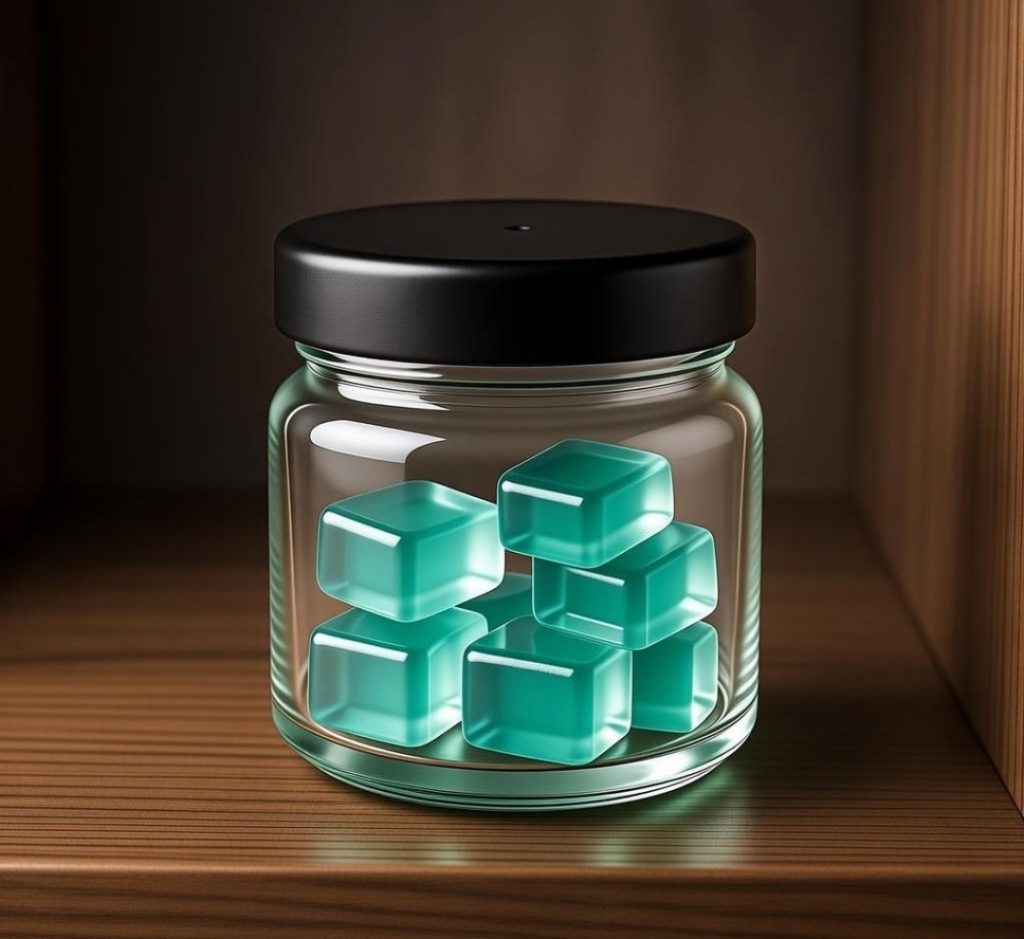
LSD gel tabs are among the most popular forms of lysergic acid diethylamide (LSD) due to their precise dosing potential, convenience, and discreet oral delivery. While potency is often reliable, environmental factors and storage methods can significantly impact the chemical stability and overall effectiveness of gel tabs. Proper storage ensures that users experience the effects as intended and maintain the product’s integrity for longer periods, including when using LSD gel tabs available on our site. This guide provides detailed instructions on how to store LSD gel tabs for maximum potency, best practices for handling, understanding degradation, and maintaining safety.
Why Proper Storage Matters
LSD is highly sensitive to light, heat, oxygen, and moisture. Exposure to these elements can cause chemical degradation, reducing potency and altering effects. Gel tabs, with their gelatin matrix, are slightly more stable than blotters when considering LSD degradation factors, but they still require careful attention. Mismanaged storage can result in weaker experiences, inconsistent dosing, or even the total loss of active compound.
Key reasons to store LSD gel tabs properly include:
Maintaining potency: Avoiding degradation ensures the gel tab remains effective.
Preserving consistency: Properly stored gel tabs provide predictable effects.
Safety: Reducing exposure to environmental factors minimizes the risk of contamination.
Longevity: Good storage extends the usable shelf life, making long-term retention feasible.
Understanding LSD Gel Tabs
LSD gel tabs are small, dissolvable pieces made by embedding the active compound in a gelatin matrix. Compared to blotters, gel tabs often provide:
Faster absorption: Gelatin allows for quicker sublingual uptake.
Precision dosing: Each troche is manufactured to contain a measured amount of LSD.
Reduced degradation risk: The matrix can protect against moisture more effectively than paper blotters.
Despite these advantages, gel tabs are not impervious to environmental stressors. Even minor exposure to sunlight or humidity can lead to potency loss over time. Users seeking maximum shelf life should understand the specific factors that affect LSD stability.
Key Factors That Affect LSD Potency
Light Exposure
LSD is extremely photosensitive. Ultraviolet (UV) light can break down the compound and reduce its efficacy. Long-term exposure, even indirect sunlight, can cause chemical degradation.
Best Practice: Always store gel tabs in opaque or light-resistant containers. Dark-colored glass vials, aluminum foil, or dark plastic capsules help prevent light damage.
Heat
Temperature significantly impacts LSD stability. High temperatures accelerate chemical breakdown, leading to weaker effects. Even room temperature in a warm climate may degrade potency over time.
Best Practice: Keep gel tabs in a cool, stable environment. Refrigeration or freezer storage is recommended for long-term preservation, provided they are in airtight, moisture-free containers. Avoid placing gel tabs near heat sources, such as radiators, sunlight-exposed shelves, or electronics.
Oxygen and Humidity
LSD can oxidize when exposed to air. Moisture can facilitate this oxidation, further degrading the compound. Both factors also increase the risk of microbial contamination, which can compromise safety.
Best Practice: Use airtight containers and include desiccants to maintain low humidity. Vacuum-sealed bags or containers with silica gel packets are excellent for preventing moisture exposure.
Handling Practices
Frequent handling, exposing gel tabs to skin oils, sweat, or moisture, can reduce potency. Even brief contact can transfer moisture or contaminants.
Best Practice: Minimize handling, always wash hands before touching, and use tweezers or gloves when removing tabs from storage.
Recommended Storage Methods
Short-Term Storage
For gel tabs that will be used within a few weeks to a couple of months:
Store in a cool, dark drawer or cabinet.
Place in an airtight container or a small opaque vial.
Avoid stacking directly in plastic bags with air gaps.
Long-Term Storage
For gel tabs intended for months or years:
Use airtight glass vials or aluminum containers.
Include a desiccant to manage moisture.
Keep in a freezer for maximum shelf life. Do not store near foods with strong odors, as the gelatin can absorb them.
Wrap each tab individually in foil to prevent direct contact and light exposure.
Travel Considerations
When transporting gel tabs:
Use small, opaque, and airtight containers.
Keep away from heat sources and sunlight.
Ensure minimal movement to prevent physical damage.
Signs of Degraded LSD
Faded color or discoloration in gel tabs.
Sticky or unusually soft texture.
Weak or inconsistent effects compared to prior use.
Musty or chemical odors (may indicate contamination).
If any of these signs appear, avoid consuming the tab. Proper storage reduces these risks significantly.
Dosage Considerations
Although non-prescriptive, understanding typical dosage ranges helps users contextualize potency and effects. Dosage depends on body weight, individual sensitivity, and environmental factors.
Typical ranges for oral ingestion:
Low / Microdose: Minimal perceptual or emotional effects, typically 25–50 mcg.
Moderate / Recreational: Noticeable cognitive and sensory effects, typically 50–150 mcg.
High / Full Experience: Strong visual, cognitive, and emotional changes, typically 150–300 mcg.
Onset and duration:
Effects are usually noticeable within 30–60 minutes orally.
Peak effects last 2–5 hours depending on dosage.
Aftereffects may persist for several more hours, including residual cognitive or sensory changes.
Guidelines for safer dosing:
Start with a lower amount if unsure.
Allow the full onset before taking additional doses.
Consider using reliable gel tabs to ensure consistency.
Harm Reduction Strategies
Proper handling and storage are only one aspect of harm reduction. Other strategies include:
Environment: Use LSD in a safe, controlled, and familiar setting.
Company: Consider trusted companions for support.
Health Status: Avoid use if you have personal or family history of psychosis or severe mental health issues.
Substance Interactions: Avoid mixing LSD with other substances, including alcohol, stimulants, or sedatives.
Integration: Reflect on experiences afterward through journaling or discussion.
Benefits of Proper Storage
Consistency: Each gel tab provides the expected experience.
Safety: Reduces risk of degradation or contamination.
Longevity: Preserves potency for months or even years.
Cost Efficiency: Prevents the need for frequent replacement due to spoilage.
Legal Considerations
United States: LSD is a Schedule I controlled substance at the federal level. Possession, distribution, or manufacture can carry severe legal penalties. Some cities have decriminalized or deprioritized enforcement, but legality varies by state.
International Examples:
Netherlands: LSD is illegal, but personal possession is often tolerated in small amounts.
Brazil & Jamaica: Some retreat contexts operate privately with limited enforcement.
United Kingdom & Canada: LSD is controlled; research or therapeutic exemptions may exist.
Always verify local laws before purchasing, storing, or using LSD gel tabs.
Conclusion
Proper storage is essential for maintaining LSD gel tab potency, consistency, and safety. Factors including light, heat, oxygen, humidity, and handling can dramatically affect shelf life and effectiveness. By using airtight containers, dark storage, desiccants, and careful handling, users can maximize both potency and longevity. Combined with harm reduction practices, dosage awareness, and legal compliance, careful storage ensures a reliable and safe experience for anyone using LSD gel tabs. For individuals deeply and genuinely curious about where to securely and responsibly buy LSD gel tabs online in the safest, most ethical, and fully informed manner possible, see our LSD gel tabs product page for details.