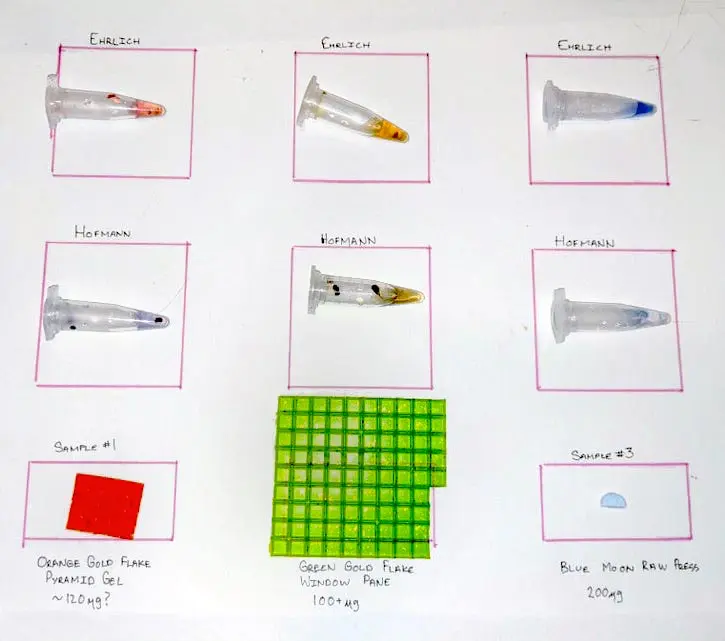
LSD gel tabs remain one of the most popular and widely used forms of lysergic acid diethylamide, prized for their precise dosing, convenience, and consistent potency. However, the unregulated nature of recreational LSD means that the composition and purity of gel tabs can vary. For anyone seeking safe and predictable experiences, understanding how to test LSD gel tabs is essential, and exploring the LSD gel tabs available on our site provides clear insight into form, consistency, and quality while supporting responsible use.
Reagent testing is one of the most accessible and effective methods for checking the presence of LSD and identifying potential adulterants. Beyond simply confirming the substance, testing empowers users to make informed choices, avoid unexpected substances, and reduce harm. This guide provides a comprehensive overview of reagent testing, common challenges, interpreting results, and best practices for handling and storing LSD gel tabs safely.
Why Test LSD Gel Tabs?
Testing LSD gel tabs is not just about confirming authenticity—it’s about safety, reliability, and confidence in your experience. While LSD is often potent and stable when properly stored, unverified gel tabs may contain impurities, degraded compounds, or other substances entirely.
Key reasons to test LSD gel tabs:
Ensure you are consuming actual LSD rather than a substitute or adulterant.
Reduce risks of unexpected or harmful side effects.
Confirm potency and avoid dosing errors.
Protect against degraded or improperly stored tabs that have lost efficacy.
Even experienced users rely on reagent testing as a harm-reduction practice. Using verified gel tabs along with careful testing provides predictable effects and safer experiences.
Types of Reagent Tests for LSD
Reagent tests involve a chemical reaction that changes color when it comes into contact with certain substances. While no test is perfect, several reagents are commonly used for LSD identification:
Ehrlich Reagent
Most widely used for LSD testing.
Reacts specifically with indole groups found in LSD.
A positive test typically produces a purple to violet color.
Marquis Reagent
More general test, originally for MDMA and other compounds.
Can indicate the presence of unexpected adulterants, but does not reliably confirm LSD on its own.
Mandelin Reagent
Useful for detecting the presence of other chemicals, especially dangerous adulterants.
Simons or Mecke Reagents
May provide additional context for identifying contaminants or related hallucinogens.
Best practice: Using multiple reagents together increases confidence in the results and helps distinguish LSD from common substitutes like 25I-NBOMe or DOC, especially when working with high-quality LSD gel tabs available on our site.
Step-by-Step Guide to Testing LSD Gel Tabs
Prepare your testing area
Use gloves and a clean, well-lit surface.
Keep tabs dry to avoid contamination.
Apply a tiny sample
Cut a small corner or scrape a minimal amount from the gel tab.
Place it on a clean, non-reactive surface like ceramic or glass.
Add a drop of reagent
Use only the amount recommended by the reagent manufacturer.
Observe the color change carefully.
Compare results
Match the color change to the reagent instructions.
Be aware that some colors may vary slightly depending on tab age or purity.
Multiple tests for confirmation
Consider using a secondary reagent to cross-check.
If results are ambiguous, treat the tab with caution or avoid use entirely.
Challenges and Limitations of Reagent Testing
While reagent tests are valuable, they are not foolproof:
Cannot measure potency: Reagents confirm the presence of LSD but do not indicate dosage strength.
Degraded or old LSD: Tabs that have lost potency may still give a positive reagent reaction.
False positives/negatives: Some synthetic compounds may react similarly, leading to misleading results.
Color interpretation: Lighting, surface, or user perception can affect how you interpret the color change.
To mitigate these challenges, always combine testing with trusted sourcing, careful dosing, and proper storage.
Interpreting Results
Positive test (expected color reaction): Likely indicates the presence of LSD. Proceed with caution and respect dosage guidelines.
Unexpected colors or no reaction: Indicates possible adulterants, degraded LSD, or another substance. Avoid consumption.
Ambiguous results: Consider consulting multiple reagent types or discarding the sample entirely.
Remember, reagent testing reduces risk but does not eliminate it, and choosing verified LSD gel tabs available here supports more predictable experiences and informed harm-reduction decisions. Always treat unverified tabs with caution; more on LSD effects and experience overview.
Best Practices for Handling and Storage
Store LSD gel tabs in cool, dark, and dry conditions. Avoid sunlight and high humidity.
Use airtight containers or foil wraps to prevent degradation.
Keep tabs out of reach of children and pets.
Only handle tabs with clean, dry hands or gloves to prevent chemical degradation or contamination.
Proper storage ensures that tested tabs remain effective and safe for use over time.
Conclusion
Testing LSD gel tabs is a cornerstone of responsible, harm-reduction-focused use. Reagent tests offer a relatively simple way to confirm presence, detect potential adulterants, and enhance user confidence. While not perfect, combining testing with trusted sourcing, proper handling, and safe consumption practices significantly reduces risks.
Whether you are an experienced psychonaut or exploring LSD for the first time, taking the time to test your gel tabs protects your health, maximizes the intended effects, and ensures that each experience is as safe and predictable as possible. Safe testing, careful dosing, and mindful preparation are the keys to informed, responsible LSD use. For individuals deeply and genuinely curious about where to securely and responsibly buy LSD Gel Tabs online in the safest, most ethical, and fully informed manner possible, see our LSD Gel Tabs product page for details.