MDMA pills have become one of the most widely discussed forms of the empathogenic compound 3,4-methylenedioxymethamphetamine (MDMA). Known for their euphoric effects, emotional openness, and heightened sociability, these pills offer a controlled and convenient way to experience the substance, with MDMA pill product details available here. Beyond recreational contexts, MDMA has attracted interest for its potential therapeutic applications, including research into PTSD treatment and guided psychotherapy.
This guide provides an in-depth look at MDMA pills, including effects, dosage considerations, harm-reduction principles, purity testing, risks, and legal context in the United States and internationally. The goal is to offer clarity and understanding, ensuring responsible engagement with this powerful psychoactive substance.
What Are MDMA Pills?
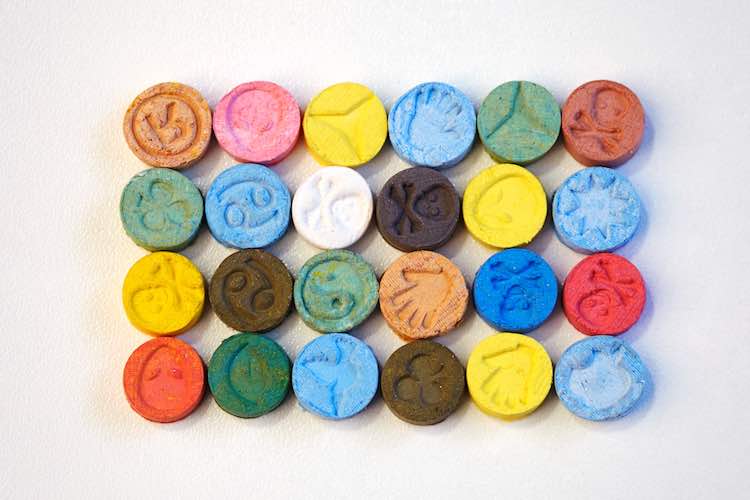
MDMA pills, often referred to as ecstasy, are orally ingested tablets or capsules containing MDMA. They are sometimes mixed with other compounds, intentionally or unintentionally, which can affect potency and experience, according to scientific research on MDMA. Pills may vary in size, color, imprint, and strength. While some are marketed under recognizable logos or symbols, these markings do not reliably indicate quality or dosage.
Key characteristics of MDMA pills:
Convenient oral delivery: Swallowing a pill is simple and discreet.
Variable potency: Each pill may contain different amounts of MDMA, emphasizing the importance of testing and caution.
Combined ingredients: Pills sometimes contain adulterants, other stimulants, or psychoactive substances.
Consistent absorption: Oral ingestion leads to gradual onset of effects, which can last several hours depending on dosage.
Pills are widely used in nightlife, festival, and social settings, but research and anecdotal reports indicate potential benefits in therapeutic contexts, particularly under guided conditions, especially when sourcing from our MDMA pill selection.
Effects of MDMA Pills
The effects of MDMA pills can vary based on dose, individual sensitivity, mindset, environment, and prior experience. Despite this variability, several patterns are commonly reported among users.
Cognitive and Emotional Effects
MDMA primarily affects serotonin, dopamine, and norepinephrine systems in the brain, producing a range of psychological and emotional effects:
Enhanced empathy and emotional openness
Reduced social anxiety and increased connection with others
Heightened introspection and self-reflection
Elevated mood and euphoria
Increased energy and motivation
Altered perception of time and sensory input
These effects contribute to MDMA’s reputation as a “social” or “empathogenic” compound.
Physical Effects
MDMA can produce noticeable physiological effects:
Mild increases in heart rate and blood pressure
Increased body temperature and sweating
Jaw clenching or teeth grinding
Appetite suppression
Dilated pupils
Slight tremors or muscle tension
Most physical effects are temporary but can become significant at higher doses or when combined with environmental stressors like heat, dancing, or prolonged exertion.
Duration and Onset
Onset: Oral ingestion typically produces effects within 30–60 minutes.
Peak: Effects reach their strongest point between 60–120 minutes after ingestion.
Aftereffects: Subtle cognitive and emotional changes can last several hours, often accompanied by mild fatigue or mood fluctuations.
Dosage Considerations
Although non-prescriptive, understanding typical dosage ranges is useful for contextual purposes and to compare pill strengths. MDMA dosage varies with body weight, metabolism, and environmental factors.
Typical ranges (oral ingestion):
Low / Sub-threshold: Minimal perceptual or emotional effects, typically 25–50 mg MDMA
Common / Recreational: Noticeable euphoria, social bonding, and sensory enhancement, typically 75–125 mg MDMA
High / Strong Experience: Intense emotional and physical effects, possible mild overstimulation, typically 125–175 mg MDMA
Onset, duration, and intensity vary based on individual metabolism and environmental context. Users should always start with caution and allow full onset before considering additional doses.
Purity Testing and Quality Control
Purity testing is essential to reduce risks associated with unknown or adulterated substances. MDMA pills often contain additional compounds that may be stimulants, hallucinogens, or other psychoactive substances, some of which can be harmful. Many users prioritize sourcing verified MDMA pills to reduce risks associated with adulterants or unknown compounds.
Key considerations:
Test kits: Reagent testing kits allow users to identify the presence of MDMA and common adulterants.
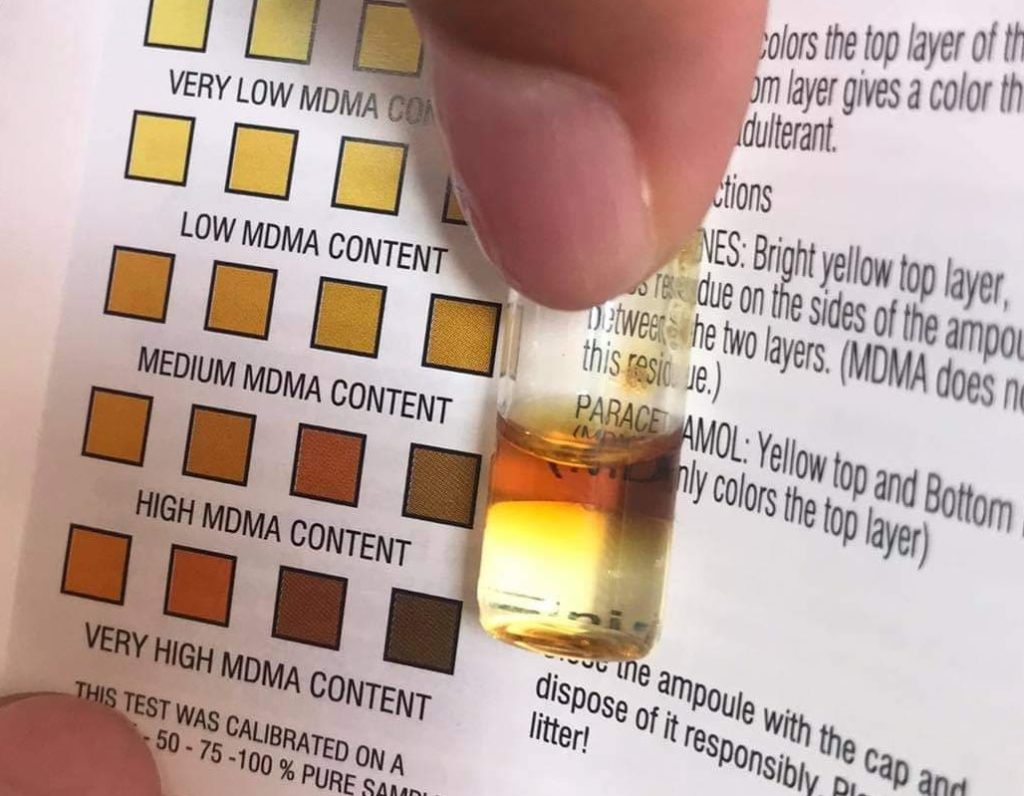
If you have MDMA the top layer of the reagent will change colour depending on how much MDMA there is. If there’s lots, it’ll go super dark. This picture shows a medium-strength positive reaction. If any other layers appear, any unexpected colour changes, or things don’t quite dissolve right, there is likely other unknown substances in your sample.
Labeling reliability: Pill markings and logos do not guarantee purity or dosage accuracy.
Batch variability: Even pills from the same source may differ in content and strength.
Storage: Proper storage away from heat, moisture, and sunlight helps maintain potency.
Purity testing does not eliminate all risk, but it is an important step toward safer consumption practices.
Risks and Harm Reduction
MDMA is physiologically considered relatively safe at moderate doses, but psychological, situational, and physical risks exist. Understanding these risks and following harm-reduction principles is crucial.
Psychological Risks
Anxiety, panic, or paranoia during the experience
Emotional overwhelm or challenging introspection
Post-use mood fluctuations or low mood (“comedown”)
Increased risk for individuals with a personal or family history of psychosis or severe mental health conditions
Physical Risks
Elevated heart rate and blood pressure
Hyperthermia in hot or physically active environments
Dehydration or electrolyte imbalance
Jaw clenching, nausea, or headaches
Harm-Reduction Strategies
Set and Setting: Ensure a safe, comfortable, and controlled environment.
Hydration: Drink water moderately; avoid excessive consumption.
Trusted Support: Having a sober friend or guide can reduce potential distress.
Avoid Polysubstance Use: Combining MDMA with alcohol, stimulants, or other drugs increases risk.
Rest and Recovery: Plan for post-use sleep, nutrition, and emotional integration.
Legal Status
United States
MDMA is classified as a Schedule I controlled substance at the federal level. However, some localities have taken measures toward harm-reduction, research access, or decriminalization:
Oregon: Therapeutic use legalized under supervised settings (Measure 109)
California (selected cities): Decriminalization of possession in Oakland, Santa Cruz, San Francisco
Denver, Colorado: Decriminalized personal possession
Washington D.C.: Natural psychedelics, including MDMA, decriminalized
Possession, distribution, or production remains illegal in most states and can carry significant criminal penalties.
International Examples
Netherlands: MDMA is illegal; possession for personal use is tolerated in small amounts.
Brazil: MDMA is illegal but not heavily enforced for personal use.
Jamaica: MDMA is illegal; some retreat contexts operate under private, controlled environments.
United Kingdom & Canada: MDMA is controlled; research or therapeutic exemptions are required.
Always verify local laws before obtaining, using, or possessing MDMA.
Conclusion
MDMA pills offer a unique combination of psychological, emotional, and physical effects that can be highly rewarding when used responsibly. Awareness of dosage considerations, purity, harm-reduction practices, and legal status is essential for safe engagement. Whether exploring social, recreational, or therapeutic contexts, MDMA pills provide an accessible route to empathogenic and introspective experiences — but only with preparation, knowledge, and respect for the compound. For individuals deeply and genuinely curious about where to securely and responsibly buy MDMA pills online in the safest, most ethical, and fully informed manner possible, see our MDMA pills product page for details.