
1P-LSD is a propionyl-substituted analogue that acts as a direct prodrug, converting into classic LSD in the human body through hepatic cleavage. AL-LAD is an allyl-substituted derivative engineered for a slightly condensed duration and a highly vivid sensory architecture. In 2026, while these novel lysergamides remain prominent in research frameworks, classic Liquid LSD and LSD Blotters remain the global benchmarks for absolute stability, predictable receptor affinity, and reliable volumetric microdosing.
1. The Structural Chemistry of N1-Substitution
To understand the functional differences between contemporary research lysergamides and traditional compounds, one must evaluate the structural mechanics of N1-substitution. 1-Propionyl-d-lysergic acid diethylamide (1P-LSD) features a polycyclic indole core structurally reminiscent of classic d-lysergic acid diethylamide. However, it is distinguished by the addition of a propionyl group attached directly to the nitrogen atom at the 1-position of the indole ring system.
Consequently, this structural modification alters the molecular weight of the compound. The addition of the propionyl chain (-\text{COCH}_2\text{CH}_3) renders the molecule significantly heavier than its un-substituted parent form. Therefore, when evaluating molecular payloads, this weight differential must be factored into any quantitative analysis.
Hepatic Hydrolysis and Chemical Cleavage
Chemically, the propionyl group acts as a metabolic shield. As a result, it renders the molecule temporarily inactive at the primary target sites until biological cleavage occurs. Once inside the human organism, the compound undergoes a metabolic process known as hepatic hydrolysis.
During this phase, enzymes within the liver attack the amide bond at the 1-position. Specifically, these enzymes include carboxylesterases and non-specific esterases. This cleavage splits the propionyl group away from the primary structure. Afterwards, it releases free d-lysergic acid diethylamide directly into the bloodstream.
Because the propionyl group accounts for roughly 15% of the total mass of the 1P-LSD molecule, the conversion ratio is not a simple 1:1 match by weight. Therefore, a standard 100mcg dose of 1P-LSD does not deliver a full 100mcg of active lysergic acid diethylamide to central nervous system pathways.
Instead, once the liver completes the metabolic breakdown, it yields approximately 85mcg of the active alkaloid. Meanwhile, the remaining 15% is cleared by the body as benign metabolic byproducts.
Immediate Payloads vs. Metabolic Lag
This metabolic middle-step contrasts sharply with the immediate performance of pure LSD Blotters. Traditional paper distribution systems come pre-loaded with the un-substituted compound. Consequently, they bypass hepatic conversion entirely.
Furthermore, when placed in the oral cavity, the active molecule detaches from the substrate fibers immediately. It then enters systemic circulation right away through sublingual mucosal absorption. Thus, it delivers 100% of its active alkaloid payload to the neural environment from the moment of intake, successfully avoiding the processing lag and quantitative reduction caused by liver enzyme mechanics.
2. AL-LAD and the 5-HT2A Binding Window
6-Allyl-6-nor-lysergic acid diethylamide (AL-LAD) represents an alternative path in structural engineering. Rather than masking the 1-position of the indole ring, the molecular modification of AL-LAD targets the 6-position nitrogen atom within the core ergoline framework.
In classic lysergic acid diethylamide, a simple methyl group (-\text{CH}_3) occupies this vital position. In contrast, during the synthesis of AL-LAD, this methyl group is systematically removed. It is replaced with a bulkier, unsaturated allyl group (-\text{CH}_2\text{CH}=\text{CH}_2).
This specific structural modification significantly changes how the molecule interacts with the body and brain. First, the addition of the allyl group alters the stereochemical profile. Second, it changes the local electron density around the amine region.
This structural shift modifies how the compound seats itself within the binding pocket of the serotonin 5-HT2A and 5-HT2C receptors. Fortunately, the molecule maintains a high binding affinity for these targets. However, the larger physical size of the allyl group prevents the receptor from folding over and trapping the molecule as tightly as it does with classic variations.
Receptor Kinetic Shifts
Because of this loose fit, the modification shortens the time the molecule remains attached to the receptor site. Classic LSD Gel Tabs typically provide a long 10-to-12 hour plateau. This longevity occurs because the receptor pocket closes tightly over the molecule, keeping it trapped inside the cellular signaling matrix for an extended duration.
Conversely, AL-LAD releases from the receptor pocket much more quickly. This rapid release shortens the active psychological window to a condensed 6-to-8 hour timeline. Consequently, the experience drops off quickly once the peak phase concludes.
The Role of the Integration Phase
While some contemporary researchers favor this brief timeline to ease physical fatigue, shortening the experience can impact psychological integration. The extended plateau delivered by classic formulations provides a stable, long-lasting mental environment.
This prolonged space gives the patient ample time to process difficult psychological realizations. Therefore, the structural stability and predictable behavior of traditional options ensure that the vital integration phase is fully realized. This is the crucial period where insights translate into lasting behavioral changes through a smooth, unhurried cognitive transition.
3. Product Spotlight: The True Lysergamide Standard
To maintain strict research protocols and clinical accuracy, utilizing refined, historically validated delivery methods is critical.
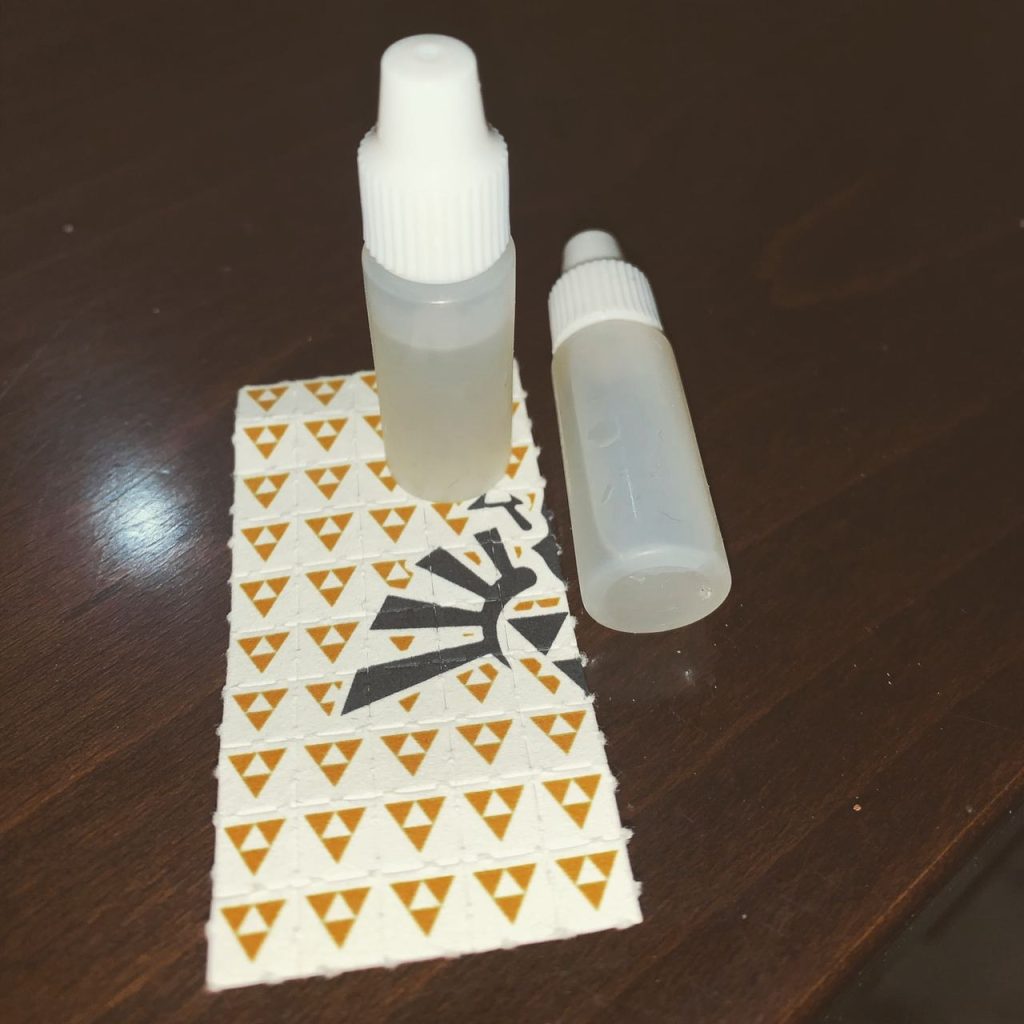
Classic Liquid LSD Standard
This clean, unadulterated fluid represents the ultimate instrument for contemporary volumetric research. By suspending the pure crystalline alkaloid inside an optimized, non-reactive liquid base, researchers can completely bypass the physical density variances found in synthetic research chemical batches. In addition, this highly pure fluid matrix allows for ultra-precise micro-dosing protocols. Therefore, operators can measure exact, microscopic inputs down to 10mcg with complete mathematical accuracy.
LSD Gel Tabs
These solid matrix units stand as the definitive choice for long-term compound preservation and structural stabilization. The delicate diethylamide structure is highly vulnerable to degradation from ambient heat, moisture, and ultraviolet light exposure. However, by locking the active molecule inside a protective, light-blocking gelatin matrix, these tabs shield the core chemical components from environmental decay. Thus, they preserve full chemical potency far better than raw paper or unformulated powders.
LSD Blotters
This traditional distribution system remains the most universally recognized and trusted delivery mechanism for deep cognitive exploration and standardized macro-dosing sessions. Each paper perforated square is uniformly laid with an exact, professionally calibrated chemical volume. Consequently, this classic configuration ensures predictable trans-mucosal delivery, providing a reliable reference standard for exploring altered states of consciousness with absolute confidence.
4. Microdosing Precision: Bypassing Metabolic Guesswork
Using modern research analogues like 1P-LSD for structured microdosing programs introduces a layer of metabolic uncertainty. This variance can easily compromise the accuracy of low-dose regimens.
Because 1P-LSD acts as a prodrug, its functional efficacy depends entirely on the body’s ability to split the propionyl group away from the parent molecule. Obviously, this requirement introduces biological variables that do not apply when working with un-substituted compounds.
In particular, the rate and efficiency of this metabolic conversion depend heavily on the presence of specific carboxylesterase enzymes in the liver. Individual enzyme production varies significantly due to genetic background, current metabolic health, liver function, and concurrent dietary factors.
Consequently, the speed and completeness of the conversion process can differ wildly from one person to the next. For example, one individual may possess a highly efficient enzyme profile that breaks down the compound rapidly. Conversely, another individual may process it slowly and incompletely, resulting in unpredictable variations in active blood levels.
For professional applications focused on clean, predictable cognitive optimization, premium Liquid LSD is the preferred choice to eliminate this systemic variation. Because it requires no metabolic breakdown or enzyme processing, it delivers direct, immediate sublingual absorption. This unmediated pathway ensures that the intended micro-dose interacts with neural pathways instantly and uniformly, bypassing liver-based guesswork and providing consistent, predictable cognitive enhancements every single time.
5. Safety, Metabolic Pathways, and Harm Reduction
Ensuring high safety standards and reliable outcomes requires strict adherence to established biological boundaries and rigorous pre-session screening protocols.
The Downregulation and Cross-Tolerance Mechanism
A core pharmacological characteristic shared across all classic and engineered lysergamides is their profound impact on the serotonin 5-HT2A receptor architecture. When these molecules bind to target sites, they trigger a rapid internalization and downregulation of the receptor proteins.
This process causes a near-immediate systemic cross-tolerance. Once a lysergamide molecule activates these primary neural pathways, the target receptors desensitize. As a result, this step renders the entire system temporarily unresponsive to similar compounds.
This deep desensitization creates a complete tolerance barrier that typically lasts between 3 and 7 days. During this active window, taking any other lysergamide or tryptamine compound will fail to produce standard psychological or therapeutic effects, regardless of dose size.
Attempting to override this biological ceiling by taking larger amounts is highly discouraged. Increasing the dose does not return the desired psychological depth. Instead, it overloads peripheral adrenaline and dopamine pathways, resulting in severe physical fatigue, elevated heart rates, and extreme muscle tension without any therapeutic benefit. Therefore, researchers must schedule a minimum of one full week of complete rest between sessions to allow receptor populations to return to baseline levels.
Absolute Contraindications and Safety Standards
When designing a research setting, maintaining a calm, predictable environment and verifying substance purity are foundational steps for reducing risk. Furthermore, clinicians must enforce strict screening protocols regarding dangerous drug interactions.
For instance, combining any lysergamide with lithium carbonate is strictly contraindicated. This specific combination can alter seizure thresholds unpredictably, potentially triggering sudden, severe grand mal seizures and acute states of confusion.
Similarly, mixing lysergamides with powerful central nervous system stimulants can overstimulate dopamine and adrenaline systems. Consequently, this can lead to severe blood pressure spikes, racing heart rates, and acute panic episodes.
To better understand how individual genetic variations alter the expression of these vital liver enzymes and target receptors, consult the advanced screening data outlined in Pharmacogenomics & Psychedelics: Using DNA Testing to Predict Your Experience in 2026.
To review official chemical data, molecular degradation vectors, and metabolic hydrolysis studies for these compounds, see the detailed records in the Chemical Registry: 1P-LSD Hydrolysis and Metabolic Data Matrix. For comprehensive access to peer-reviewed human trials and comparative receptor binding data, explore the verified archives at PubMed: Comparative Human Psychopharmacology of Novel Lysergamides.
6. FAQ
Does 1P-LSD turn into LSD in the body?
Yes. 1P-LSD operates as a classic prodrug within the human body. Upon ingestion, hepatic enzymes target the propionyl group attached to the 1-position of the indole ring and split it away via hydrolysis. This metabolic cleavage removes the propionyl chain, converting the remaining structure into free d-lysergic acid diethylamide before it passes through the blood-brain barrier.
What is the main difference between AL-LAD and classic LSD?
The primary difference lies in the structural modification at the 6-position nitrogen atom within the core ergoline ring. Classic lysergic acid diethylamide features a compact methyl group at this position, whereas AL-LAD replaces it with a larger allyl group. This modification reduces the molecule’s retention time within the 5-HT2A receptor pocket, condensing the active experience to a shorter 6-to-8 hour window.
Why are gel tabs better than paper blotters for storage?
Traditional paper distribution methods leave the delicate lysergamide molecule exposed to ambient air, moisture, and ultraviolet light, which can rapidly accelerate chemical decay. LSD Gel Tabs solve this problem by fully enclosing the active compound within a solid, protective gelatin matrix. This air-tight barrier shields the delicate diethylamide structure from light and oxygen, preserving full chemical potency over extended storage periods.
How do you volumetrically dose liquid LSD?
Volumetric dosing with pure Liquid LSD involves dissolving a known mass of the crystalline compound into a highly precise volume of a clean liquid carrier, typically a mixture of distilled water and pure ethanol. Because the active compound is distributed evenly throughout the liquid base, researchers can use a calibrated micro-pipette to measure out exact fractional amounts, ensuring accurate and consistent low-dose measurements.
7. Conclusion
The evolution of engineered lysergamides like 1P-LSD and AL-LAD highlights the precision of modern psychopharmacology. While these structural modifications offer interesting variations—such as 1P-LSD’s prodrug path or AL-LAD’s shorter active duration—they also introduce unique challenges. 1P-LSD requires optimal liver enzyme function for complete conversion, and AL-LAD’s rapid release from receptor sites can shorten the vital psychological integration phase.
Because of these variables, classic Liquid LSD, LSD Gel Tabs, and LSD Blotters remain the unmatched standards for both clinical research and deep cognitive exploration. Their direct absorption profiles bypass metabolic guesswork entirely, delivering a highly predictable, stable, and time-tested experience. By relying on these authentic, historically validated delivery methods, researchers and practitioners can ensure the highest level of safety, dosing accuracy, and therapeutic success.
Secure Certified Analytical Standards for Your Work
Are you looking to establish absolute chemical precision and reliable results in your current research models? You can buy ultra-pure, professionally calibrated LSD Blotters through our verified secure platform to guarantee exact milligram accuracy and complete batch uniformity. For long-term chemical preservation and protection against environmental decay, you can also browse our online store to buy pristine LSD Gel Tabs designed for exceptional shelf-life stability.
Do not risk your data or research consistency with unverified, erratic contemporary alternatives that introduce unnecessary metabolic variables. Order your certified chemical inventory directly from the main shop at Psychedelic Sphere to ensure premium product purity, verified laboratory validation, and complete operational security today.