
Navigating this 2cb pills sourcing guide requires an understanding of synthetic phenethylamine chemistry, dosage accuracy, adulteration risks, and analytical testing standards. Researching synthetic 4-bromo-2,5-dimethoxyphenethylamine demands rigorous evaluation of solid oral formulations before procurement. Pressed tablets vary widely in active payload, binding agents, physical color, and chemical purity across different production batches. Consequently, evaluating lab results, verifying reagent responses, and understanding physical characteristics protects analytical integrity. This detailed 2cb pills sourcing guide details the essential quality benchmarks, testing protocols, and product criteria required to evaluate synthetic phenethylamine formulations safely.
Selecting high-quality phenethylamine tablets depends on verified chemical identity, quantitative purity, and strict quality control protocols. Furthermore, acquiring research materials from reliable domestic suppliers ensures verified chemical payloads, independent laboratory oversight, and secure delivery. Operating directly within the United States, PsychedelicSphere serves as a trusted domestic supply partner. Specifically, we deliver verified research compounds directly to clients across all 50 states and international facilities. Whether evaluating pressed oral units or uncompounded crystalline powders, understanding these operational quality standards guarantees consistent research results.
This long-form technical guide breaks down the critical verification procedures for evaluating synthetic phenethylamine tablets. Across the following sections, we examine physical pill formulations, chemical synthesis pathways, reagent testing protocols, dosage curves, and catalog procurement standards.
Quick Summary: Key Quality Verification Criteria
Evaluating pressed tablets requires systematically analyzing physical, chemical, and analytical factors. The following core benchmarks summarize how to verify synthetic oral units prior to research applications:
- Analytical Purity Standards: High-purity 2C-B tablets must contain verified 4-bromo-2,5-dimethoxyphenethylamine salt without unreacted precursor remnants or synthetic impurities.
- Payload Uniformity: Quality manufacturers utilize industrial powder blenders and standardized presses. This process ensures consistent active milligram content across every tablet in a production batch.
- Reagent Safety Verification: Independent liquid reagent testing using Marquis, Mecke, and Froehde solutions confirms the presence of the phenethylamine backbone while ruling out dangerous adulterants.
- Physical Tablet Integrity: High-grade pressed tablets feature crisp press lines, uniform color distribution, stable binder matrices, and clean outer edge boundaries.
- Direct Catalog Procurement: Verified buyers can order pure 2C-B Pills or uncompounded 2C-B Powder directly through our secure online portal. Every inventory batch features independent HPLC verification, complete privacy protection, and fast nationwide dispatch.
1. Chemical Structure & Physical Tablet Formulations
Understanding the fundamental chemistry of 4-bromo-2,5-dimethoxyphenethylamine helps researchers evaluate physical formulations effectively. Alexander Shulgin first synthesized this classical phenethylamine in 1974. The compound features a benzene ring with methoxy groups at positions 2 and 5, alongside a bromine atom at position 4.
The Hydrobromide vs. Hydrochloride Salt Matrix
Synthetic phenethylamines usually exist as crystalline salts to improve handling stability and oral absorption.
- 2C-B Hydrobromide (2C-B HBr): The hydrobromide salt represents the most common chemical form found in pressed oral tablets. Hydrobromide salt matrices form readily during precipitation, yielding a white to off-white crystalline powder that mixes smoothly with tablet binders.
- 2C-B Hydrochloride (2C-B HCl): The hydrochloride salt matrix provides slightly higher potency by weight due to the lighter atomic mass of chlorine compared to bromine. However, raw hydrochloride powder exhibits higher hygroscopic properties, making it slightly more sensitive to ambient humidity.
- Potency Weight Ratios: Because bromine possesses a higher atomic weight than chlorine, 2C-B HCl contains roughly 12% more active phenethylamine base per milligram than 2C-B HBr. Quality sourcing requires accounting for this molecular weight difference during precise dosage calculations.
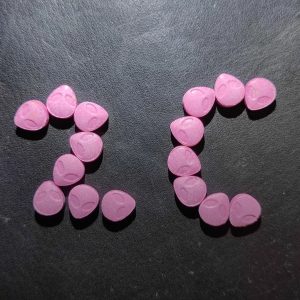
Physical Composition of Pressed Oral Tablets
Pressed tablets combine active phenethylamine salts with inert excipients to create stable, solid oral dosage units.
- Binder Matrices: Manufacturers use pharmaceutical-grade binders like microcrystalline cellulose, lactose, or dicalcium phosphate. These binders hold the compressed powder together while allowing rapid disintegration upon contact with gastric fluids.
- Dyes and Pigments: Colored dyes help identify specific production runs or batch dosages. However, uneven color speckling often indicates poor powder blending, which can lead to hot spots or inconsistent active payloads between individual pills.
- Physical Hardness & Friability: Quality tablets resist crumbling under standard handling while maintaining high solubility in acidic liquid environments. Excessively soft tablets crumble into loose powder, leading to inaccurate dosage measurements.
2. Purity Standards & Adulteration Prevention
Verifying chemical purity remains the most critical step when evaluating pressed phenethylamine products. Because pressed tablets look visually similar regardless of their internal contents, analytical verification represents the only reliable defense against mislabeling or dangerous adulteration.
Common Adulterants and Contaminants
Unregulated markets frequently mix alternative synthetic compounds into pressed tablets. Identifying these common adulterants protects researchers from adverse physiological reactions.
- Substituted Cathinones: Synthetic cathinones (often termed “bath salts”) are sometimes substituted for 2C-B. These compounds act as potent monoamine reuptake inhibitors, producing intense cardiovascular strain, severe insomnia, and elevated heart rates.
- Amphetamine Derivatives: Inexpensive amphetamine or methamphetamine powders are occasionally blended into pressed tablets to simulate physical stimulation. These additives alter the pharmacokinetics and induce unwanted central nervous system excitation.
- Novel Synthetic Opioids: Dangerous potent synthetic opioids represent a severe contamination risk in multi-use pressing facilities. Cross-contamination with fentanyl or nitazene analogs can cause fatal respiratory depression.
- Novel Hallucinogenic Amphetamines: Compounds from the DOB or DOM series are far more potent than 2C-B, with active durations lasting up to 24 hours. Mislabeling a DOB tablet as 2C-B can lead to severe accidental overdoses.
Quantitative Analysis via HPLC and Mass Spectrometry
While colorimetric reagents provide rapid field testing, quantitative laboratory testing offers definitive purity verification.
- High-Performance Liquid Chromatography (HPLC): HPLC testing separates chemical mixtures into individual components. This process quantifies the exact milligram weight of active phenethylamine while identifying minor synthesis byproducts down to parts per million.
- Gas Chromatography-Mass Spectrometry (GC-MS): GC-MS analysis breaks molecules into ionized fragments, creating a unique chemical fingerprint. This analytical method confirms chemical identity with 100% certainty, ensuring zero cross-contamination.
- Third-Party Analytical Certificates: Reliable suppliers provide independent third-party analytical testing certificates for every production batch. Reviewing these lab reports confirms active payload weight and chemical purity before procurement.
3. Step-by-Step Reagent Testing Protocols
Performing multi-reagent liquid testing provides an immediate, cost-effective way to verify chemical identity. Utilizing multiple reagent solutions eliminates false positives and confirms the presence of the phenethylamine backbone. Detailed chemical reaction benchmarks available on PsychonautWiki outline these essential field-testing steps.
Reagent Color Reaction Matrix
- Marquis Reagent: Dropping Marquis liquid onto a small scraped sample of pure 2C-B produces an immediate, vivid yellow transition that slowly turns dark green within 30 seconds.
- Mecke Reagent: The Mecke reagent reacts with pure phenethylamine samples to yield an immediate brownish-yellow reaction, gradually darkening over time.
- Froehde Reagent: Applying Froehde liquid results in a quick yellow-to-green color change, confirming the substitution pattern on the aromatic ring.
- Robadope Reagent: Robadope testing specifically detects primary amines like 2C-B. A positive pink-to-purple reaction distinguishes primary phenethylamines from secondary amines like MDMA or methamphetamine.
Best Practices for Reagent Testing
- Scrape Internal Material: Always scrape a small sample of powder from the core of the tablet rather than testing the outer coating.
- Use Ceramic Surfaces: Perform testing on a clean, white ceramic plate or the bottom of a porcelain mug to observe color changes accurately.
- Apply Single Drops: Place one small drop of liquid reagent directly onto the scraped powder sample without letting the dropper bottle tip touch the powder.
- Document Color Timelines: Record color changes immediately upon contact and again at 30 and 60 seconds. Disregard color changes that occur after two minutes due to chemical oxidation.
- Neutralize and Dispose: Safely neutralize the acidic reagent drop with baking soda before washing the test surface with running water.
4. Pharmacokinetics & Dosing Accuracy
Precision dosing remains essential when researching 4-bromo-2,5-dimethoxyphenethylamine. Unlike classical tryptamines, 2C-B exhibits a steep dose-response curve where small milligram increases yield dramatically altered qualitative experiences.
Steep Dose-Response Kinetics
Understanding the steep response curve prevents accidental over-dosing during research protocols.
- Threshold Range (2 mg to 5 mg): Minor physical changes emerge, including mild peripheral warmth, subtle alertness, and light somatic tingling without visual distortions.
- Light Range (5 mg to 15 mg): Produces manageable physical stimulation, enhanced sensory perception, mood elevation, and mild open-eye visual halos.
- Moderate Range (15 mg to 25 mg): Yields signature visual geometry, vibrant color saturation, distinct empathogenic warmth, and physical euphoria while maintaining mental lucidity.
- Heavy Range (25 mg to 40+ mg): Triggers intense visual transformations, deep spatial shifts, intense somatic humming, and brief periods of cognitive overload.
Absorption Timelines and Metabolic Routes
Understanding biological half-life and metabolic clearance supports safe trial design.
- Oral Onset Window: Ingested tablets take 45 to 90 minutes to break down in stomach acid and absorb through the gastrointestinal tract. Food in the stomach delays onset further, sometimes pushing full absorption past two hours.
- Peak Phase Duration: The active peak phase lasts between 2 and 4 hours, characterized by stable plateau levels of central nervous system stimulation and visual activity.
- Metabolic Elimination: The liver metabolizes 2C-B primarily through oxidative deamination via monoamine oxidase (MAO-A and MAO-B) and aldehyde dehydrogenase enzymes. The kidneys excrete the resulting inactive metabolites over an 8 to 12 hour clearance window.
5. Qualitative Profile & Somatic Characteristics
Researchers value 2C-B for its unique blend of psychedelic visual effects and clear, manageable cognitive dynamics. Comparing this unique profile against other classical compounds highlights its versatile nature.
Unique Visual and Physical Dynamics
- Intricate Visual Geometry: The visual field features sharp geometric patterns, flowing surface textures, bright color shifts, and radiant visual halos around light sources.
- Physical Warmth and Energy: Somatic effects include gentle physical warmth, pleasant tingling sensations, increased tactile sensitivity, and light cardiovascular stimulation.
- Clear Mental Lucidity: Unlike LSD or psilocybin, which can cause intense cognitive confusion, 2C-B preserves intellectual clarity, logical reasoning, and verbal communication abilities throughout the experience.
Comparison with Related Phenethylamines
Data maintained on the Swiss Chemical Society chemical directory highlights key differences between 2C-B and closely related compounds:
- 2C-B vs. 2C-I: 2C-I tends to produce a more intense physical energy and longer duration, whereas 2C-B offers warmer visual dynamics and gentler somatic effects.
- 2C-B vs. 2C-E: 2C-E produces significantly deeper cognitive shifts and a heavier physical load, requiring lower dose thresholds than 2C-B.
- 2C-B vs. MDMA: While 2C-B shares empathogenic warmth and sensory enhancement with MDMA, it does not deplete presynaptic serotonin reserves. Consequently, 2C-B causes minimal post-session mood drops or fatigue.
6. Safety Protocols & Harm Reduction Guidelines
Maintaining safety protocols protects human subjects and preserves analytical research integrity. Detailed biochemical references on the NCBI PubChem 2C-B Compound Summary emphasize critical harm reduction principles.
Critical Contraindications & Interactions
- Avoid MAO Inhibitors: Combining 2C-B with Monoamine Oxidase Inhibitors (MAOIs) or prescription antidepressants can cause dangerous serotonin accumulation or severe hypertensive spikes.
- Avoid Central Nervous System Stimulants: Combining phenethylamines with amphetamines, cocaine, or high doses of caffeine increases cardiovascular strain, heart rate, and blood pressure.
- Pre-existing Cardiovascular Conditions: Individuals with pre-existing heart conditions, hypertension, or cardiac arrhythmias should avoid sympathomimetic research compounds.
- Psychological Setting: Conducting research in controlled, comfortable environments with trained, sober facilitators minimizes anxiety and prevents psychological distress during peak visual phases.
Managing Physical Side Effects
- Hydration Management: Maintain steady fluid intake with water or electrolyte solutions, especially in warm research settings, to prevent mild dehydration.
- Nausea Mitigation: Mild transient nausea can occur during the initial absorption phase. Consuming light ginger tea before ingestion helps soothe gastric serotonin receptors.
- Body Temperature Regulation: Ensure access to climate-controlled spaces to manage temporary fluctuations in body temperature during the onset window.
7. Storage, Stability & Shelf-Life Management
Proper storage preserves active phenethylamine payloads and prevents physical tablet degradation over extended timeframes.
- Light and Thermal Protection: Phenethylamine molecules resist heat well, but direct ultraviolet light can slowly degrade active compounds over time. Store tablets in amber glass vials or light-proof foil pouches.
- Humidity Control: Moisture damages pressed tablets by softening binder matrices and triggering mold growth. Include food-grade silica desiccant packs inside airtight storage containers to absorb ambient humidity.
- Optimal Temperature Ranges: Keep storage vessels in cool, dry environments maintained between 15°C and 25°C (59°F to 77°F). Under these conditions, pure phenethylamine salts remain stable for years without losing analytical potency.
8. Sourcing Standards & Procurement at PsychedelicSphere
Procuring lab-tested research materials requires selecting a trusted supplier committed to strict quality control, verified purity, and discreet fulfillment.
Why PsychedelicSphere Is the Industry Benchmark
- Independent Batch Verification: Every batch of 2C-B Pills and 2C-B Powder supplied by PsychedelicSphere undergoes strict HPLC testing to guarantee 98%+ purity and precise milligram payloads.
- Domestic US Operations: Operating out of centralized distribution hubs in the United States, we process and ship orders rapidly across all 50 states, bypassing international customs delays.
- Discreet, Protective Packaging: All orders arrive in durable, climate-stable, vacuum-sealed packaging with zero external markings to protect product integrity and client privacy.
- Secure Encrypted Checkout: PsychedelicSphere uses encrypted payment channels and privacy-focused checkout portals to ensure your personal information remains confidential.
Frequently Asked Questions
What is the main difference between 2C-B pills and 2C-B powder?
Pre-pressed 2C-B Pills deliver fixed, pre-measured milligram payloads for quick protocol execution. Conversely, pure uncompounded 2C-B Powder offers complete flexibility for custom liquid titrations using high-precision milligram scales.
How does 2C-B compare to classical psychedelics like LSD or Psilocybin?
2C-B provides rich visual enhancements and warm somatic sensations while maintaining exceptional mental clarity. It features a shorter active duration (4 to 6 hours) compared to LSD (8 to 12 hours) and causes less cognitive confusion.
How fast does PsychedelicSphere ship domestic US orders?
We process and dispatch domestic orders within 24 to 48 hours of payment confirmation, delivering orders directly to your address within 2 to 4 business days nationwide.
Can pressed 2C-B pills be split in half for lower doses?
Yes. High-quality scored tablets can be split evenly using a tablet cutter to achieve half-payload doses for light research protocols.
What is the best way to store 2C-B tablets long term?
Keep tablets in an airtight amber glass jar containing a silica desiccant pack. Store the container in a cool, dark place away from heat and moisture to maintain long-term stability.
Conclusion: Secure Verified Research Materials
Evaluating synthetic phenethylamine tablets requires strict attention to chemical purity, accurate dosing, and lab verification. By using multi-reagent testing kits, reviewing third-party HPLC reports, and sourcing from trusted domestic suppliers, researchers can confidently conduct safe, predictable trials.
Ready to source lab-tested phenethylamines from the nation’s premier domestic partner? Visit the PsychedelicSphere catalog today to order premium 2C-B Pills or high-purity 2C-B Powder supplies with fast, discreet nationwide fulfillment!